
|
|
|
|
|
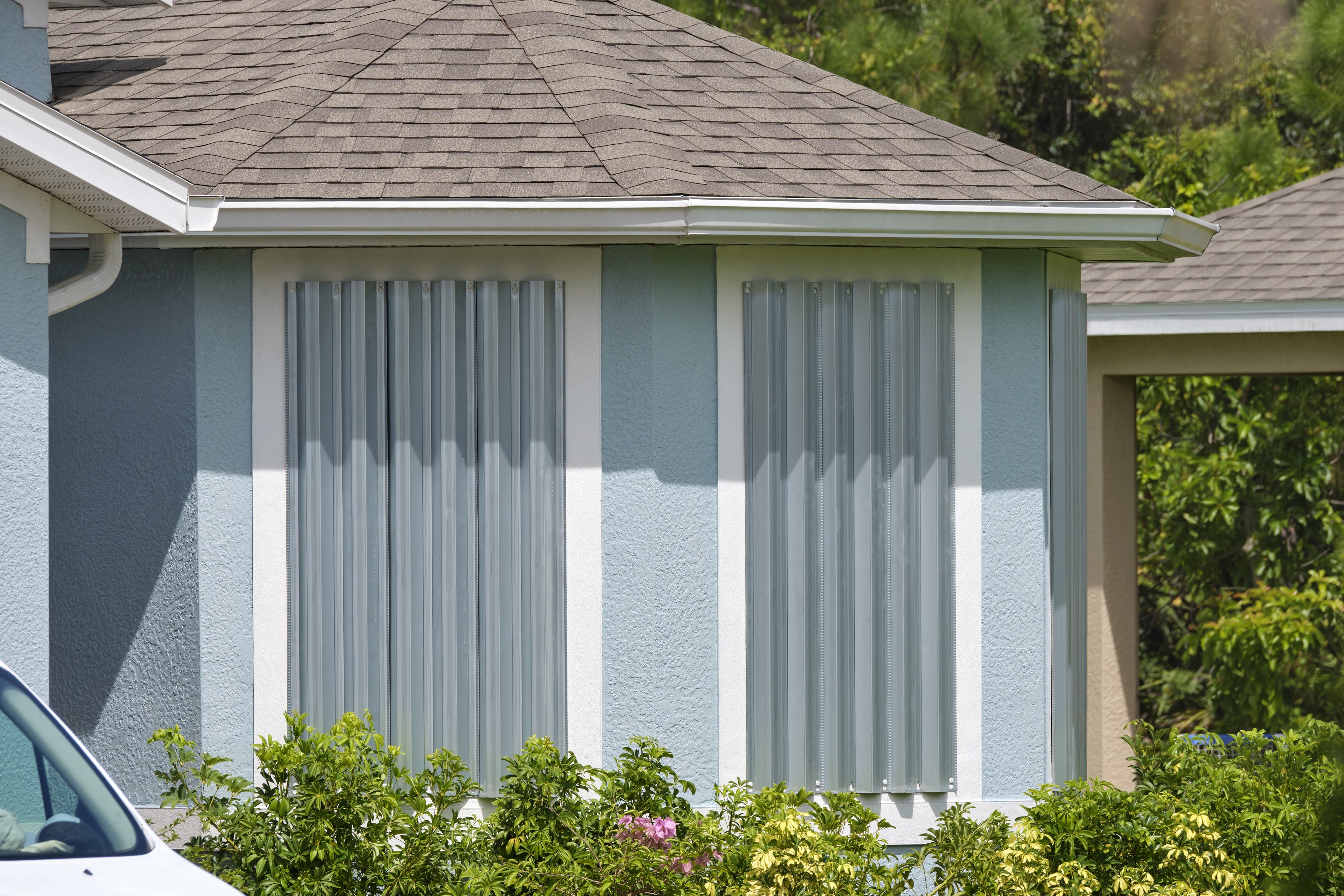
ALUMINUMOur All Aluminum Shutter Panels (.050") protect windows and doors from winds up to 150 mph. Lightweight, corrosion-resistant, and priced at $4.65/sq. ft. Made from durable aerospace-grade aluminum. |

|
LEXANOur clear Polycarbonate/Lexan Shutter Panels protect windows and doors from winds up to 150 mph, pass Florida codes, and allow natural light in during outages. Priced at $7.94/sq. ft., lightweight and safe. |

COMBINATION
Our Combination Aluminum and Lexan Shutter Panels protect against winds up to 150 mph, offering a cost-effective way to let light in. Prices range from $8.10 to $10.35/sq. ft., based on your needs.
|
|
DON'T WAIT!
IT COULD BE TOO LATE
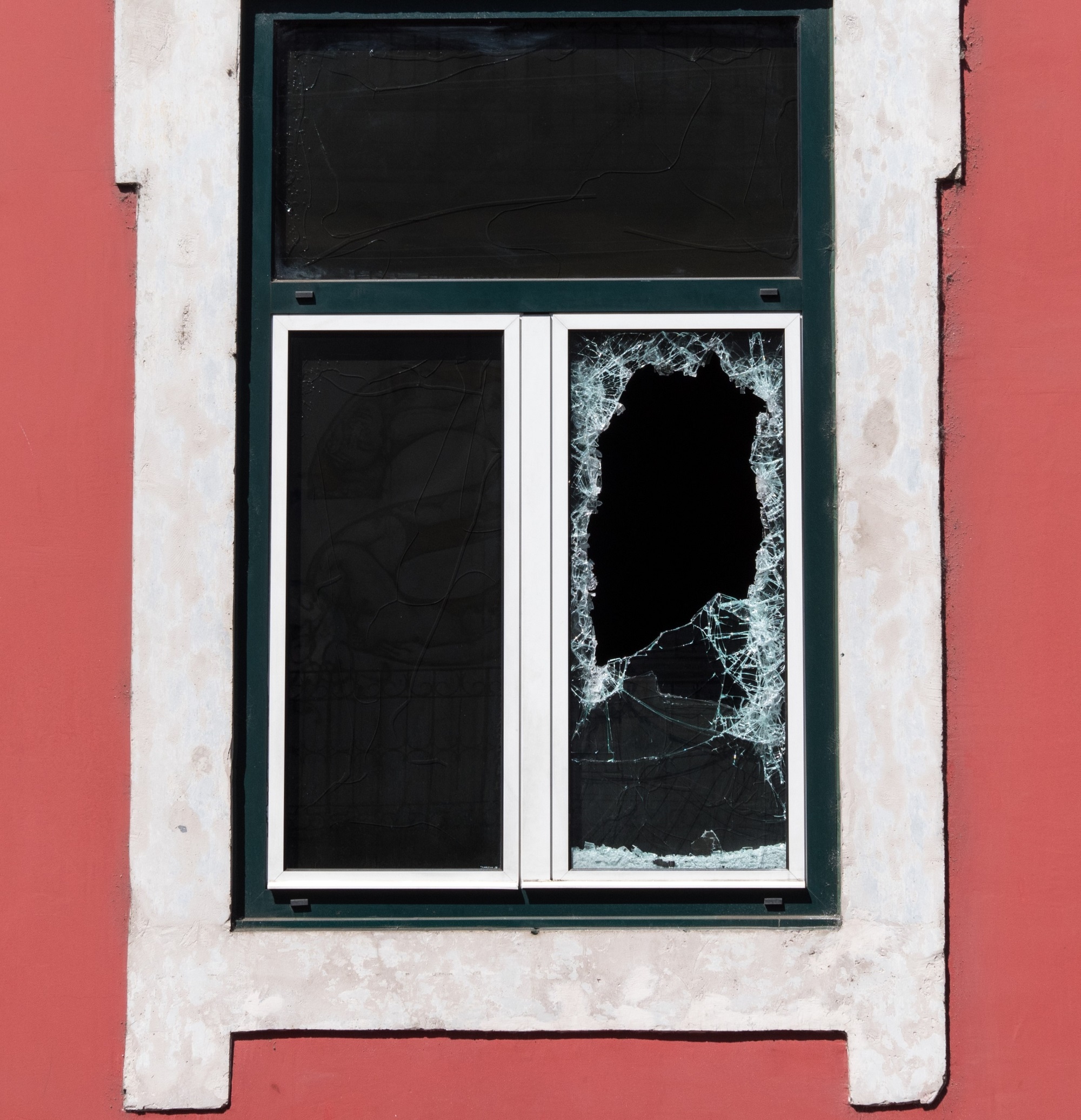
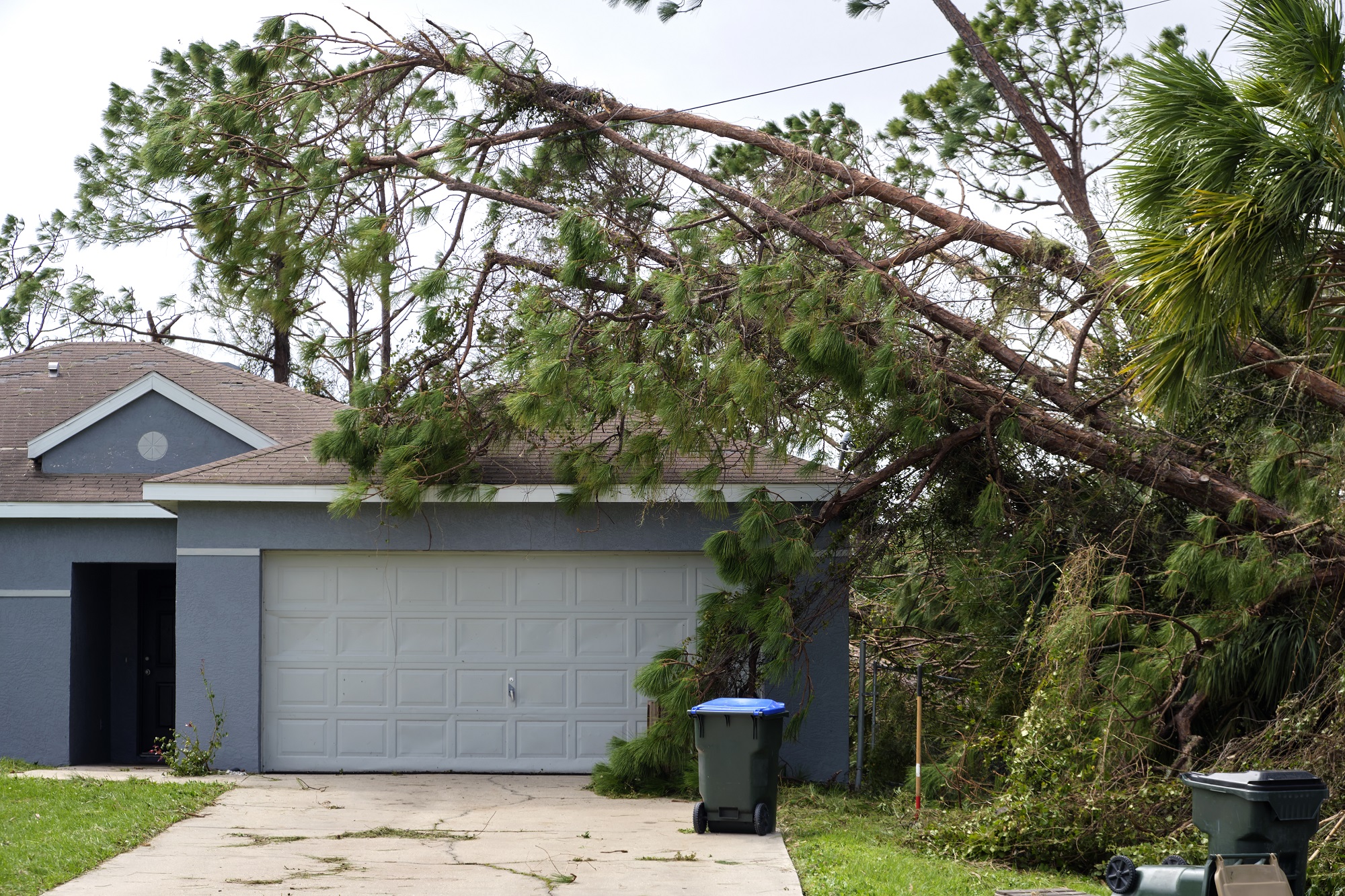
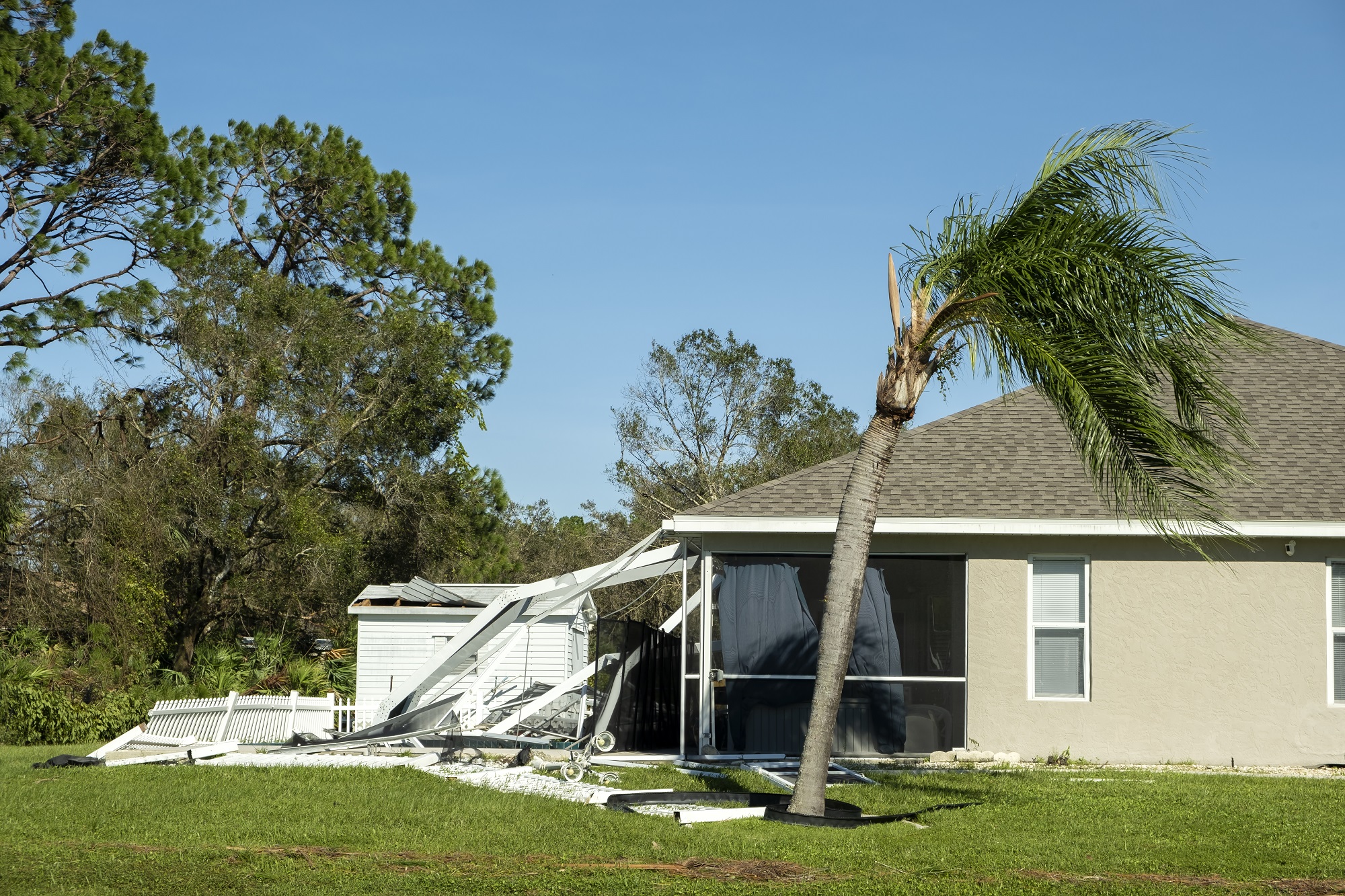
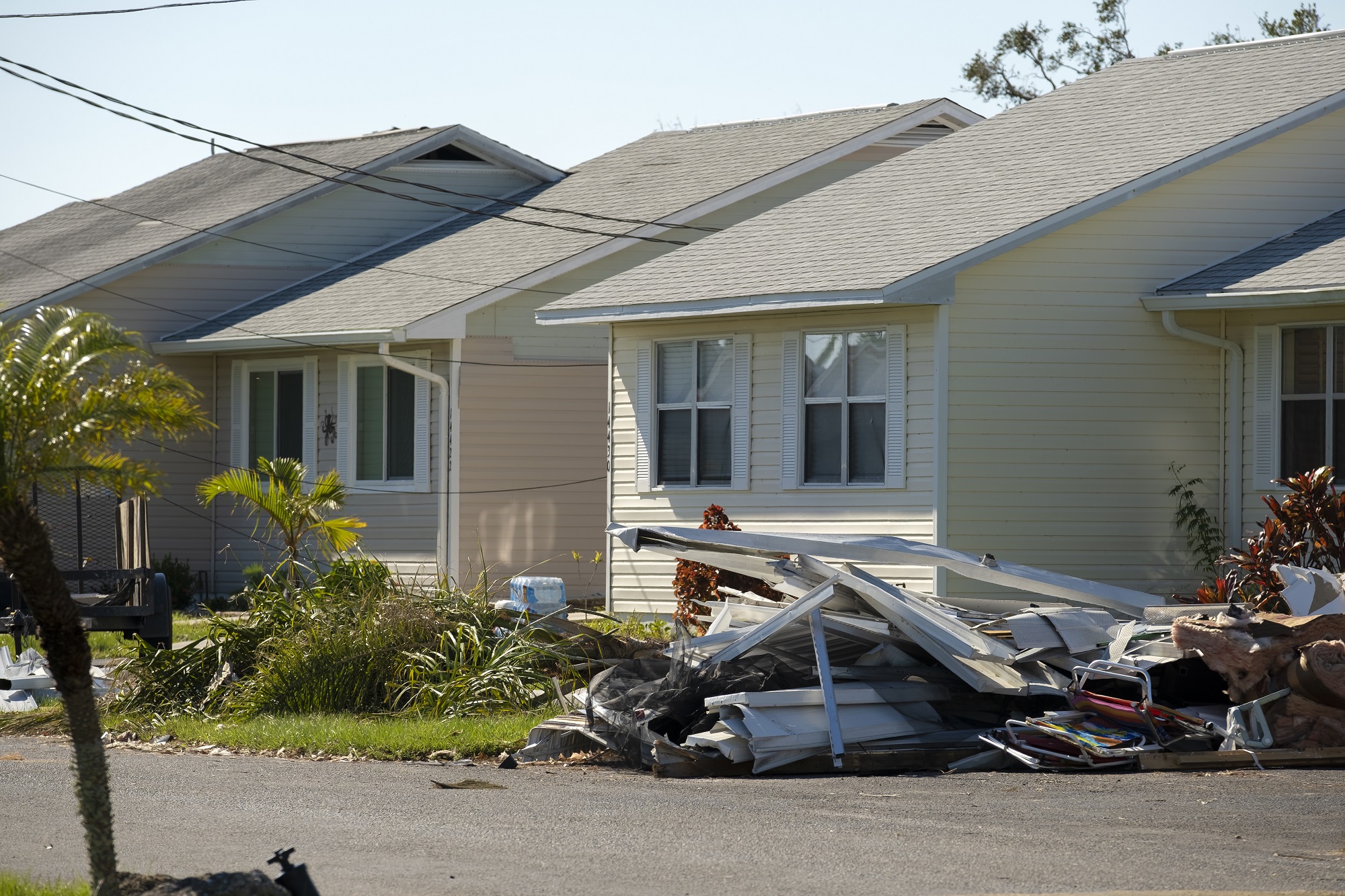
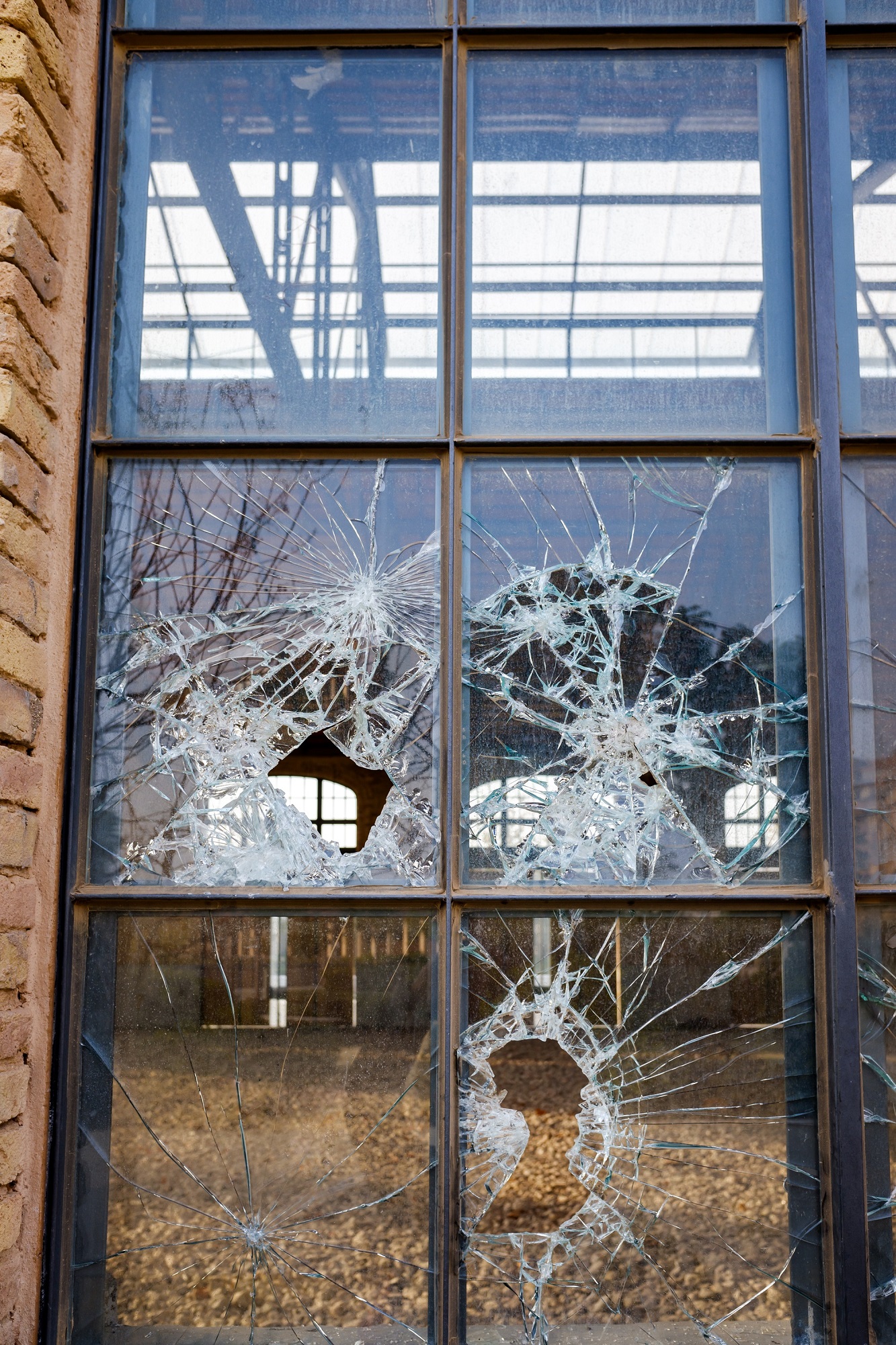
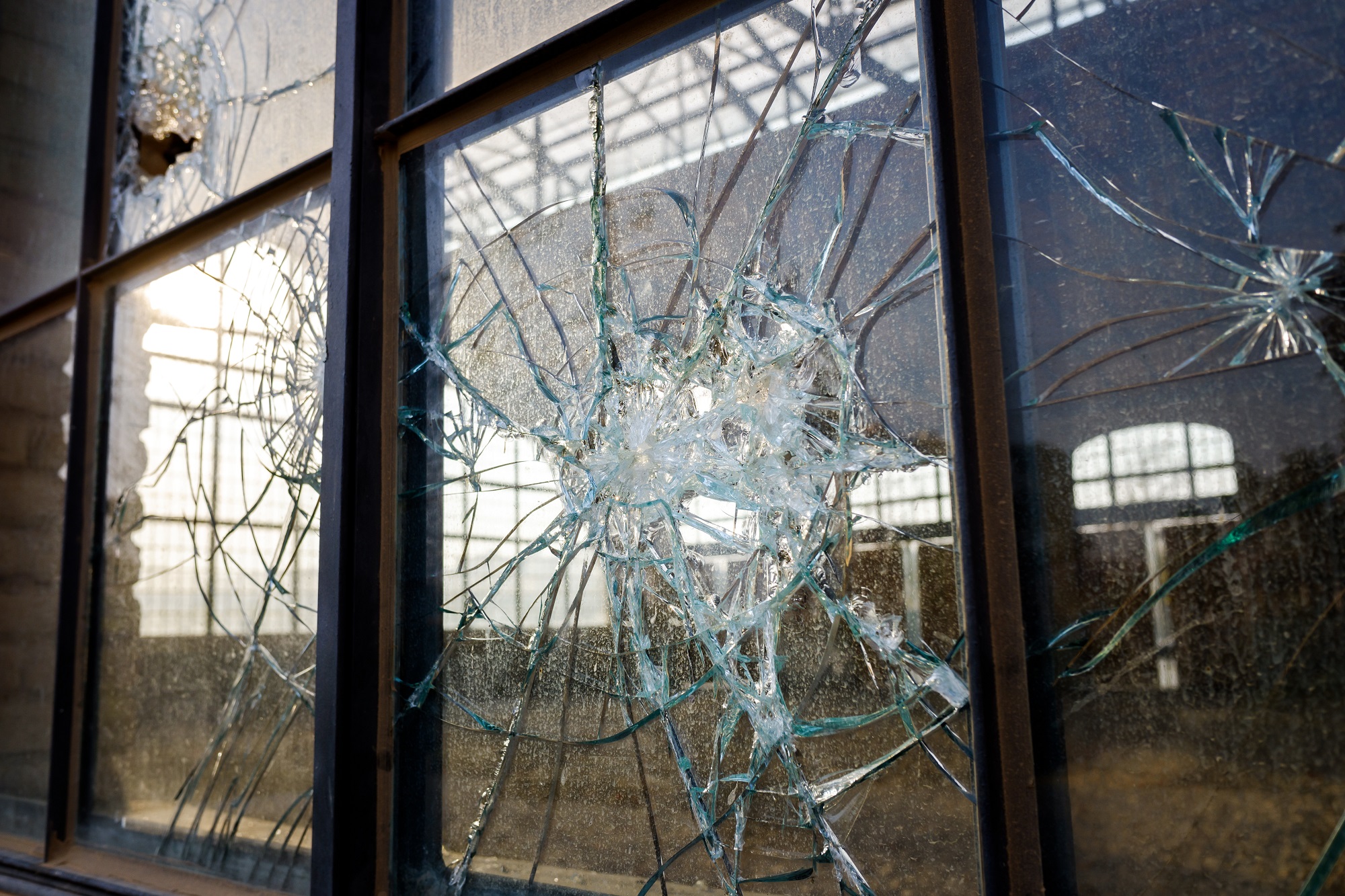
WIND DAMAGE
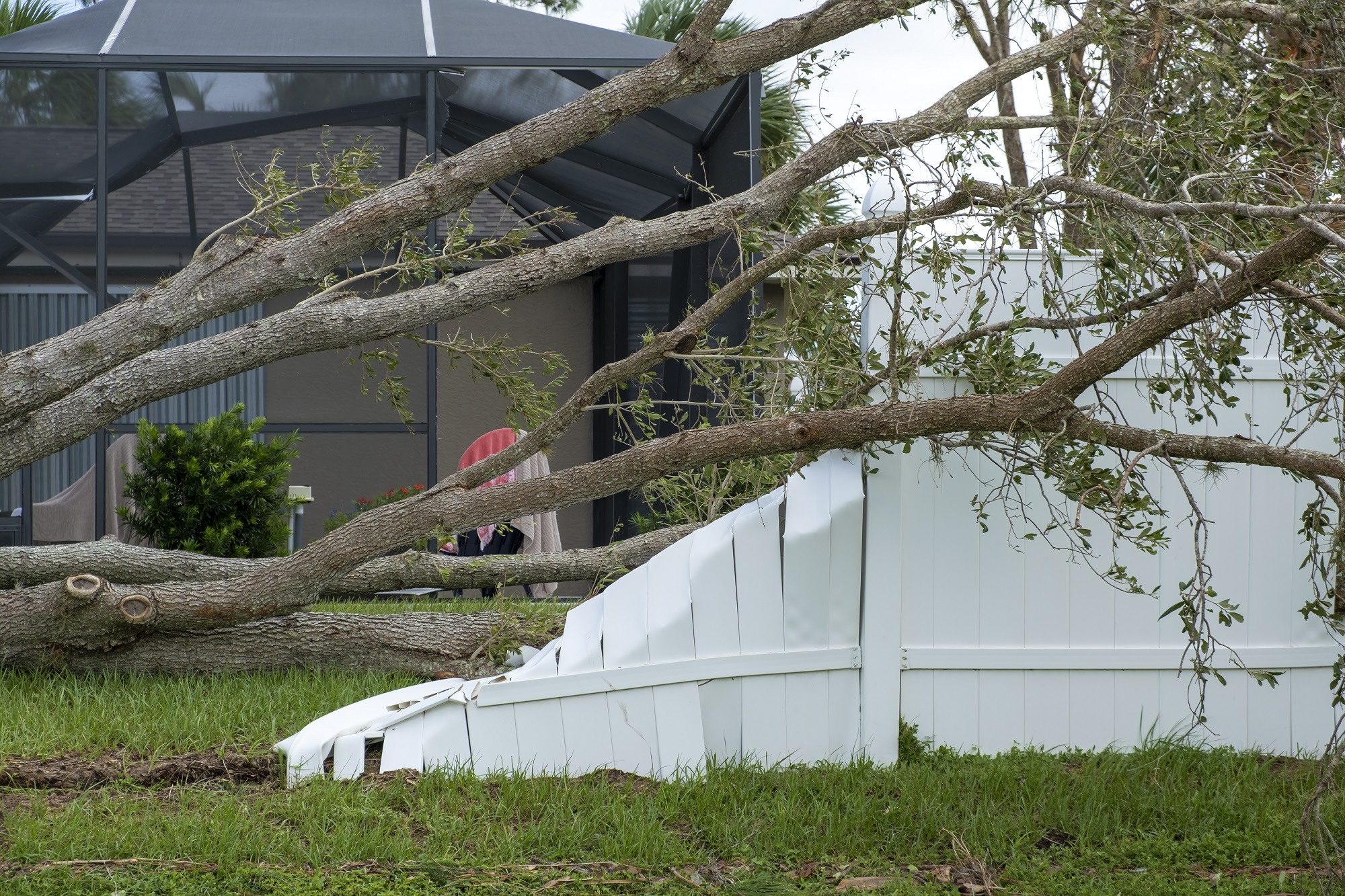
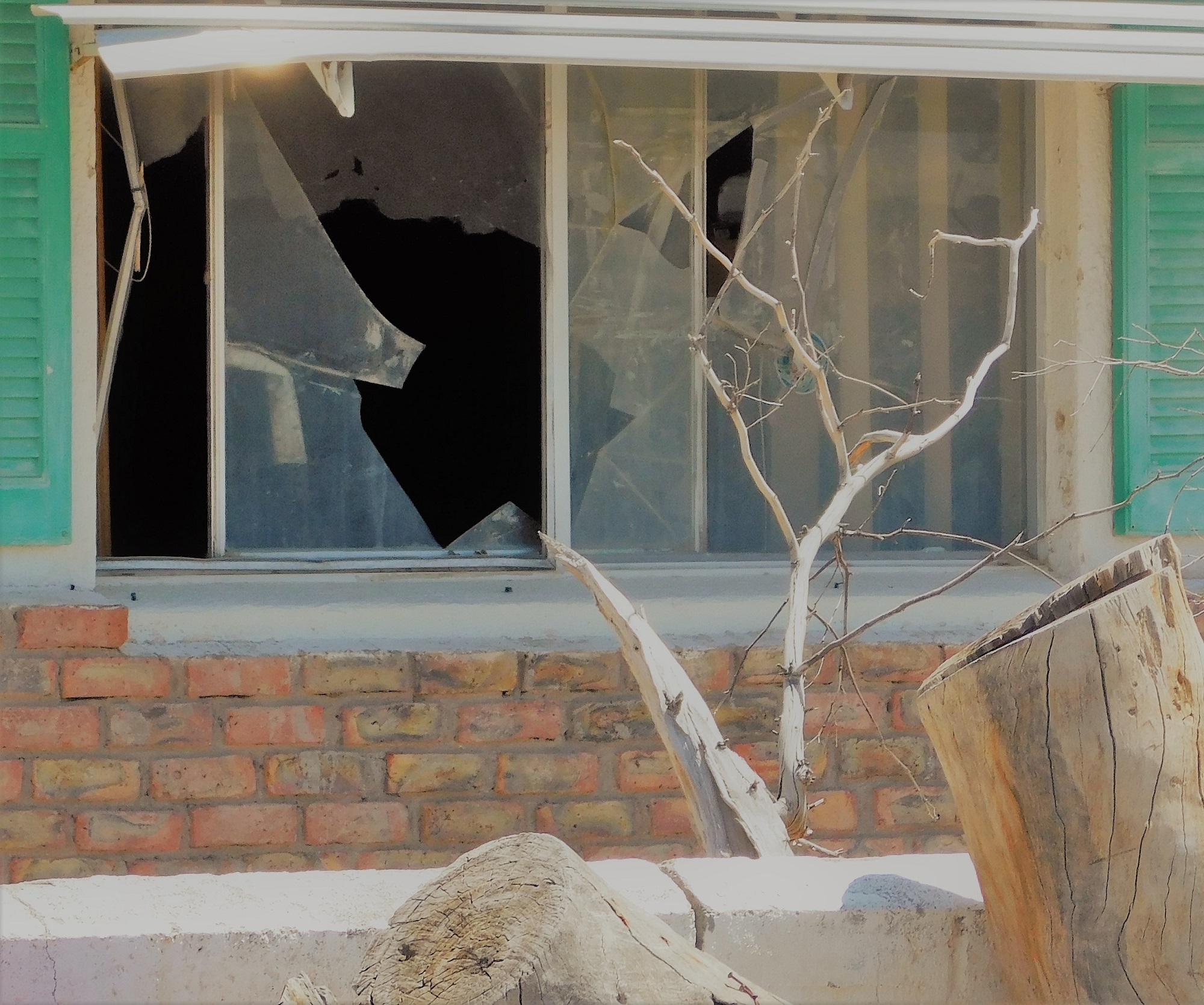
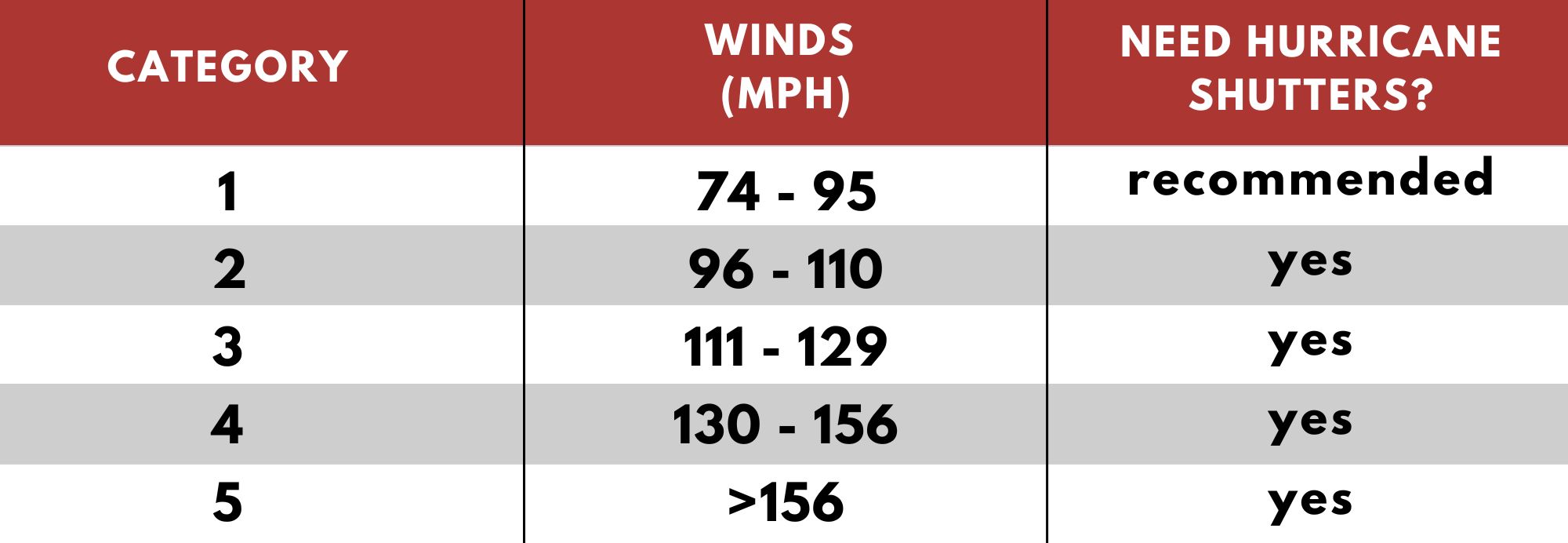
Hurricanes often produce life-threatening winds, causing devastating damage. Major hurricanes can lead to catastrophic wind damage and significant loss of life. These winds can destroy homes, windows, and doors, and pick up debris, turning it into high-speed projectiles that damage your windows.
HIGH-SPEED PROJECTILES!
Hurricane-force winds can uproot trees, scatter outdoor furniture, toss cars and debris, transforming them into fast-moving projectiles capable of shattering your glass doors and windows. Once the protective barrier of your home is compromised, it can lead to severe and widespread damage.
VERTICAL DOOR AND WINDOW MOUNT |
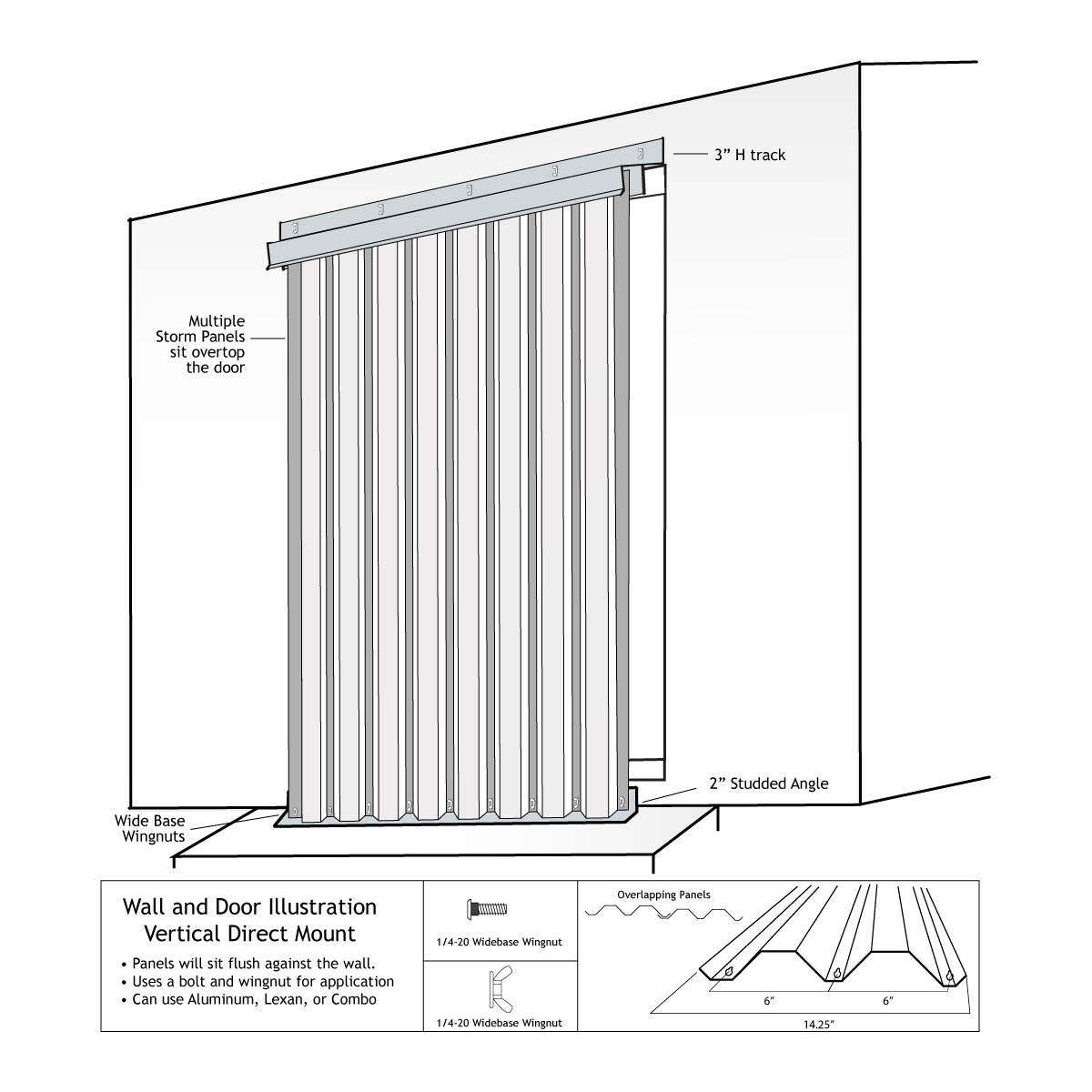
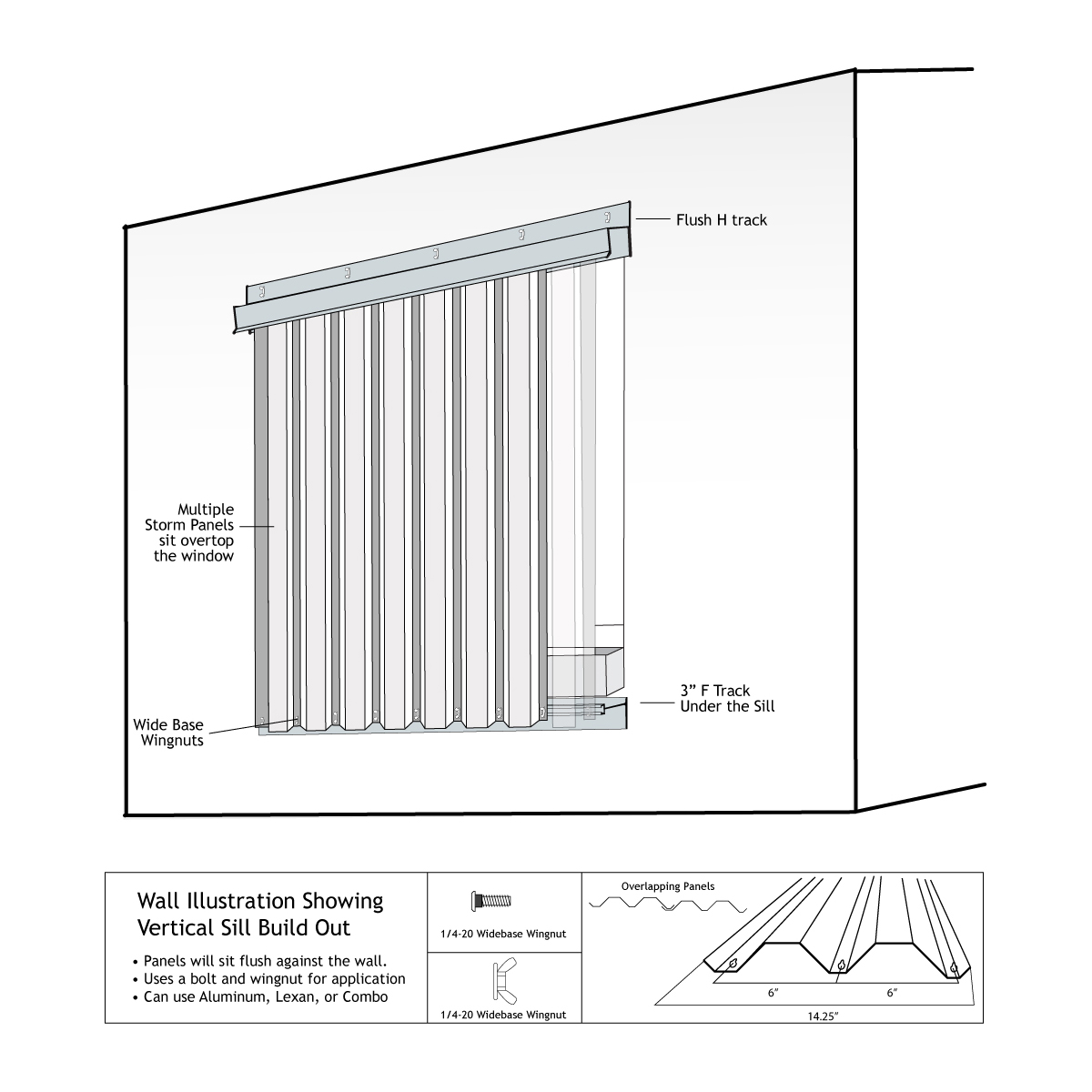
In this process, you attach a track above and below your window or door. Then, slip the panels into the top track and secure them at the bottom with screws and wing nuts. When removed for storage, the tracks can stay on the wall, while panels, screws, and wing nuts are stored together for easy reinstallation. This is the quickest and easiest way to install shutters when a storm approaches.
|
HORIZONTAL WINDOW MOUNT |
|
This process mounts shutters directly to your home (wood, siding, or concrete). Panels attach to windows or doors using screws and wing-nuts. Screws stay in place for easy reinstallation.
Price: $1.50 per linear foot. 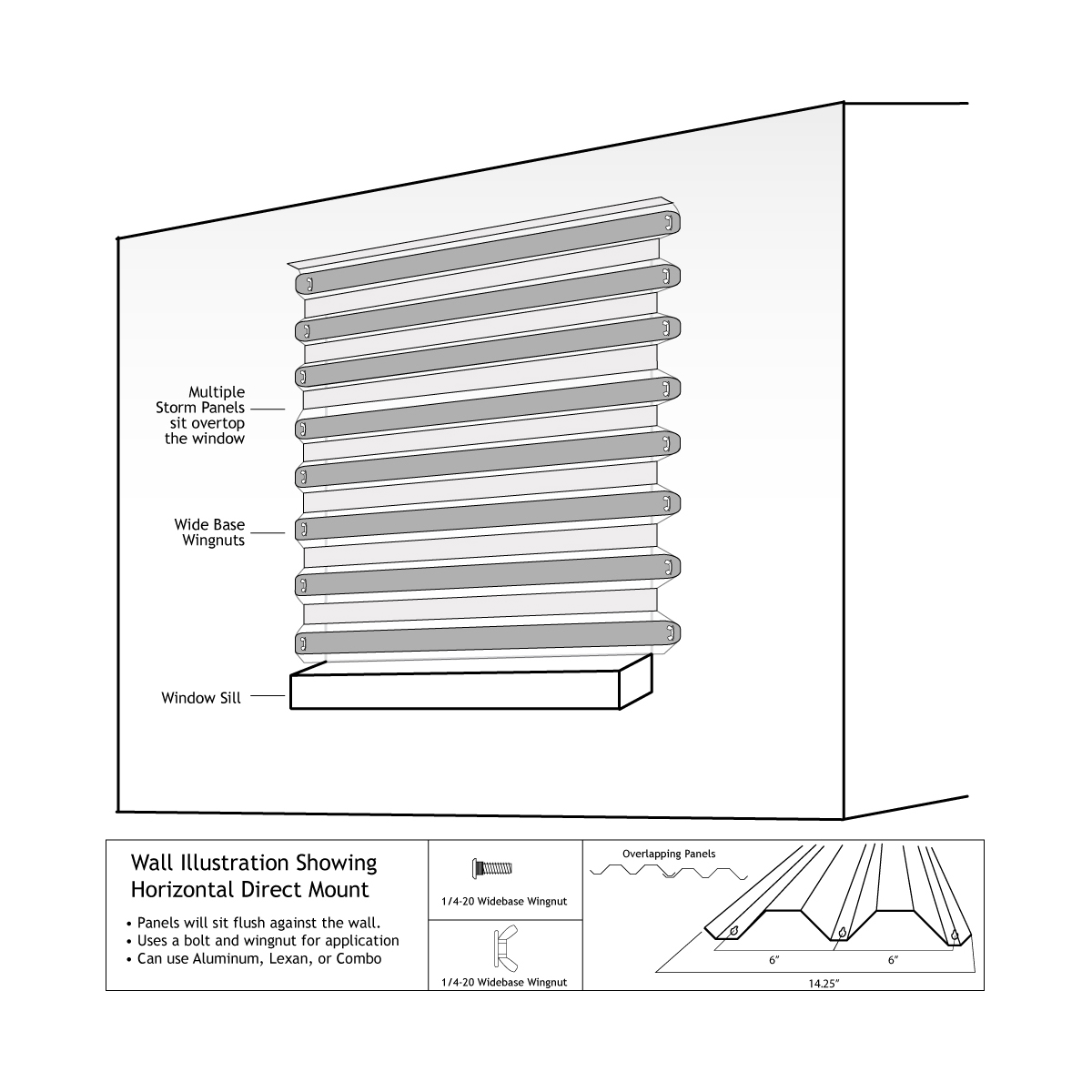
|
|
Disclaimer:
Hurricane shutters are designed to enhance the safety of your home during these disasters, but no product can guarantee your safety. You should follow all law enforcement directives regarding evacuation. These storm panels and the recommended installation comply with many municipal codes and regulations, but may not meet all requirements. The purchaser is responsible for ensuring that this product and its installation comply with all codes and regulations for storm panels at the installation site. The manufacturer and retailer disclaim any responsibility for determining compliance with applicable codes and/or regulations and make no representations or warranties regarding suitability in this regard. DIY Hurricane Supply.com is happy to email prospective purchasers the specifications of our products, which can be approved by the appropriate governing bodies. Please email us at: info@diyhurricanesupply.com. |
|
|
ALUMINUMOur All Aluminum Shutter Panels (.050") protect windows and doors from winds up to 150 mph. Lightweight, corrosion-resistant, and priced at $4.65/sq. ft. Made from durable aerospace-grade aluminum. |
|
|
LEXANOur clear Polycarbonate/Lexan Shutter Panels protect windows and doors from winds up to 150 mph, pass Florida codes, and allow natural light in during outages. Priced at $7.94/sq. ft., lightweight and safe. |
COMBINATION
Our Combination Aluminum and Lexan Shutter Panels protect against winds up to 150 mph, offering a cost-effective way to let light in. Prices range from $8.10 to $10.35/sq. ft., based on your needs.
|
|
HIGH-SPEED PROJECTILES!
Hurricane-force winds can uproot trees, scatter outdoor furniture, toss cars and debris, transforming them into fast-moving projectiles capable of shattering your glass doors and windows. Once the protective barrier of your home is compromised, it can lead to severe and widespread damage.
DON'T WAIT!
IT COULD BE TOO LATE
WIND DAMAGE
Hurricanes often produce life-threatening winds, causing devastating damage. Major hurricanes can lead to catastrophic wind damage and significant loss of life. These winds can destroy homes, windows, and doors, and pick up debris, turning it into high-speed projectiles that damage your windows.
VERTICAL DOOR AND WINDOW MOUNT |
HORIZONTAL WINDOW MOUNT |
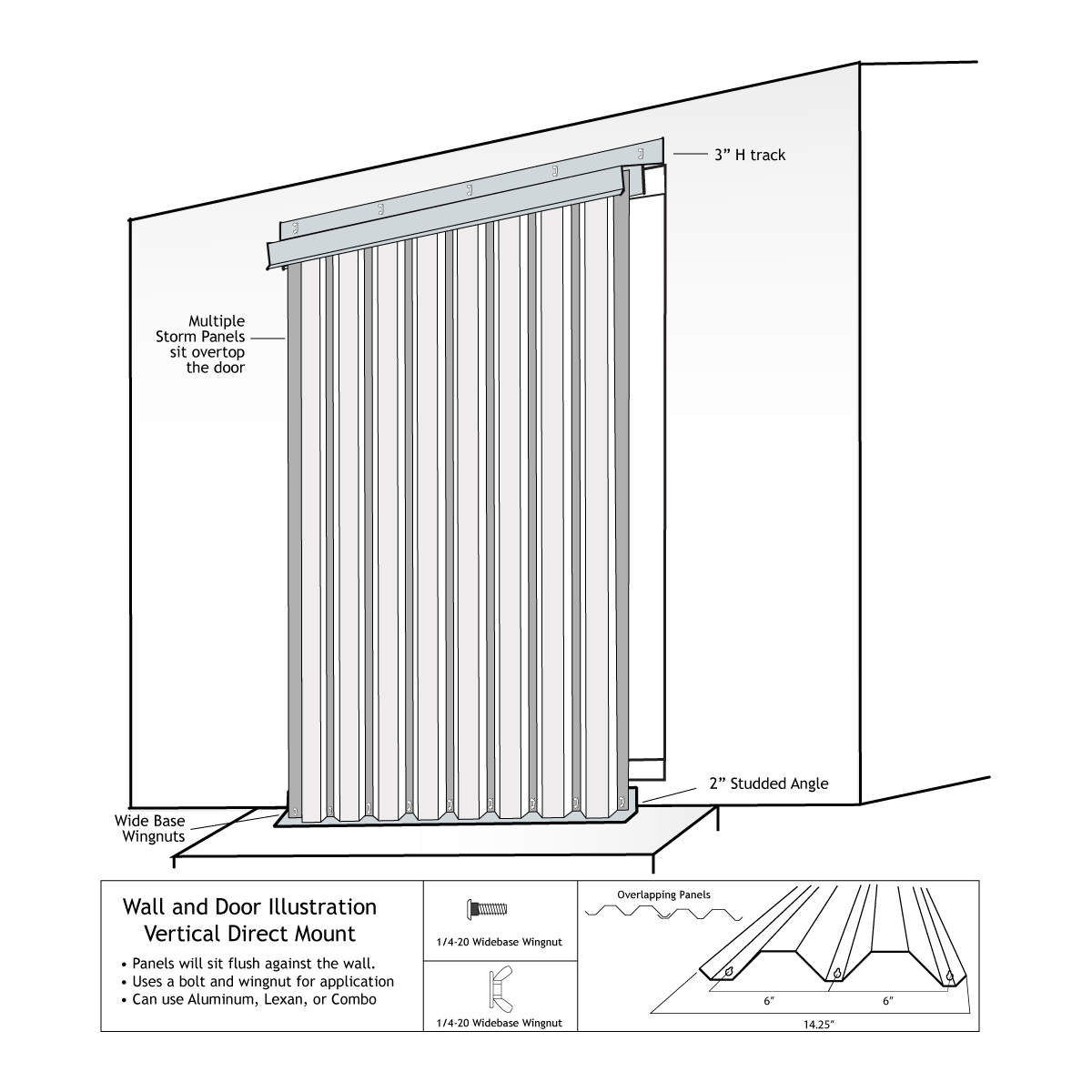
In this process, you attach a track above and below your window or door. Then, slip the panels into the top track and secure them at the bottom with screws and wing nuts. When removed for storage, the tracks can stay on the wall, while panels, screws, and wing nuts are stored together for easy reinstallation. This is the quickest and easiest way to install shutters when a storm approaches.
|
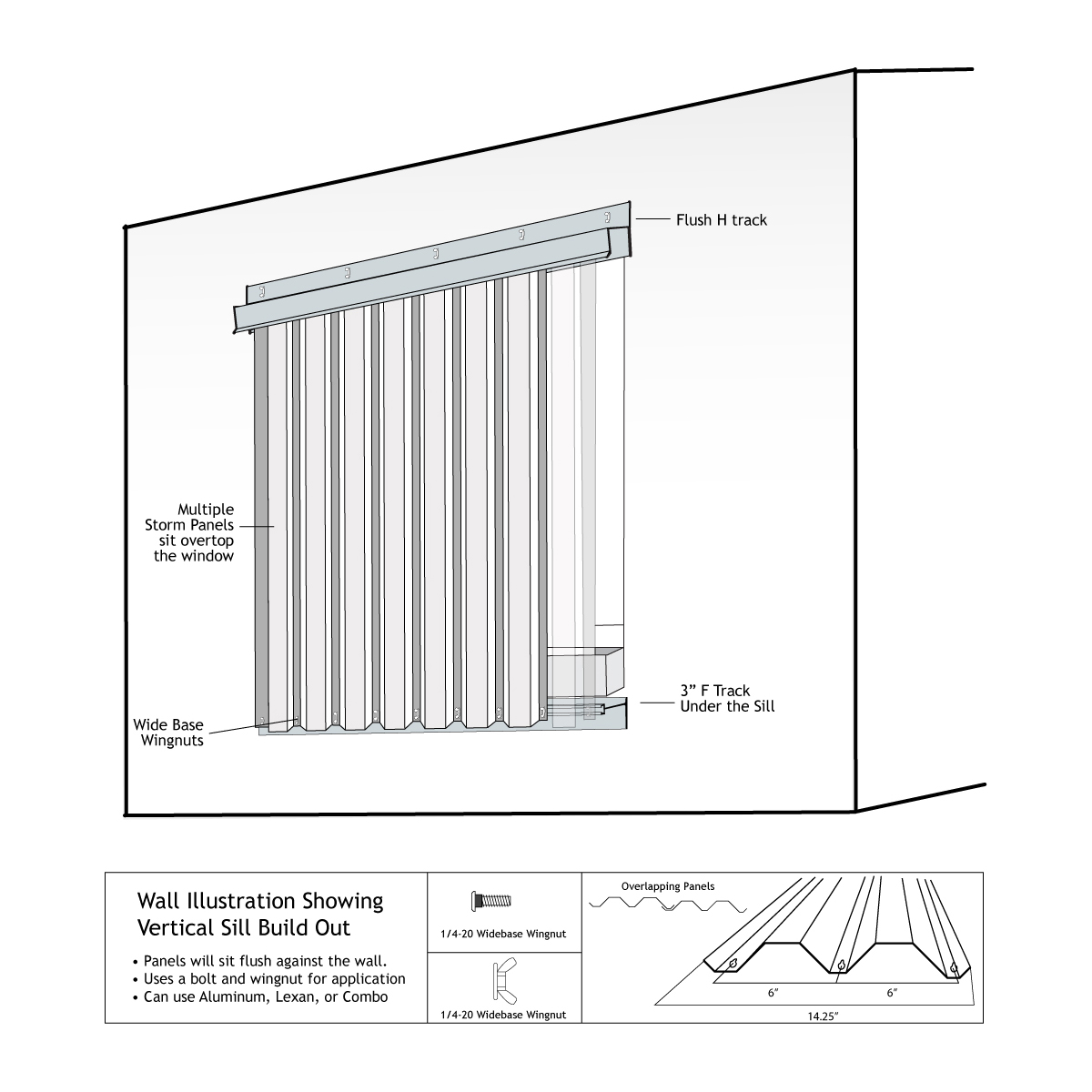
This process mounts shutters directly to your home (wood, siding, or concrete). Panels attach to windows or doors using screws and wing-nuts. Screws stay in place for easy reinstallation.
Price: $1.50 per linear foot. 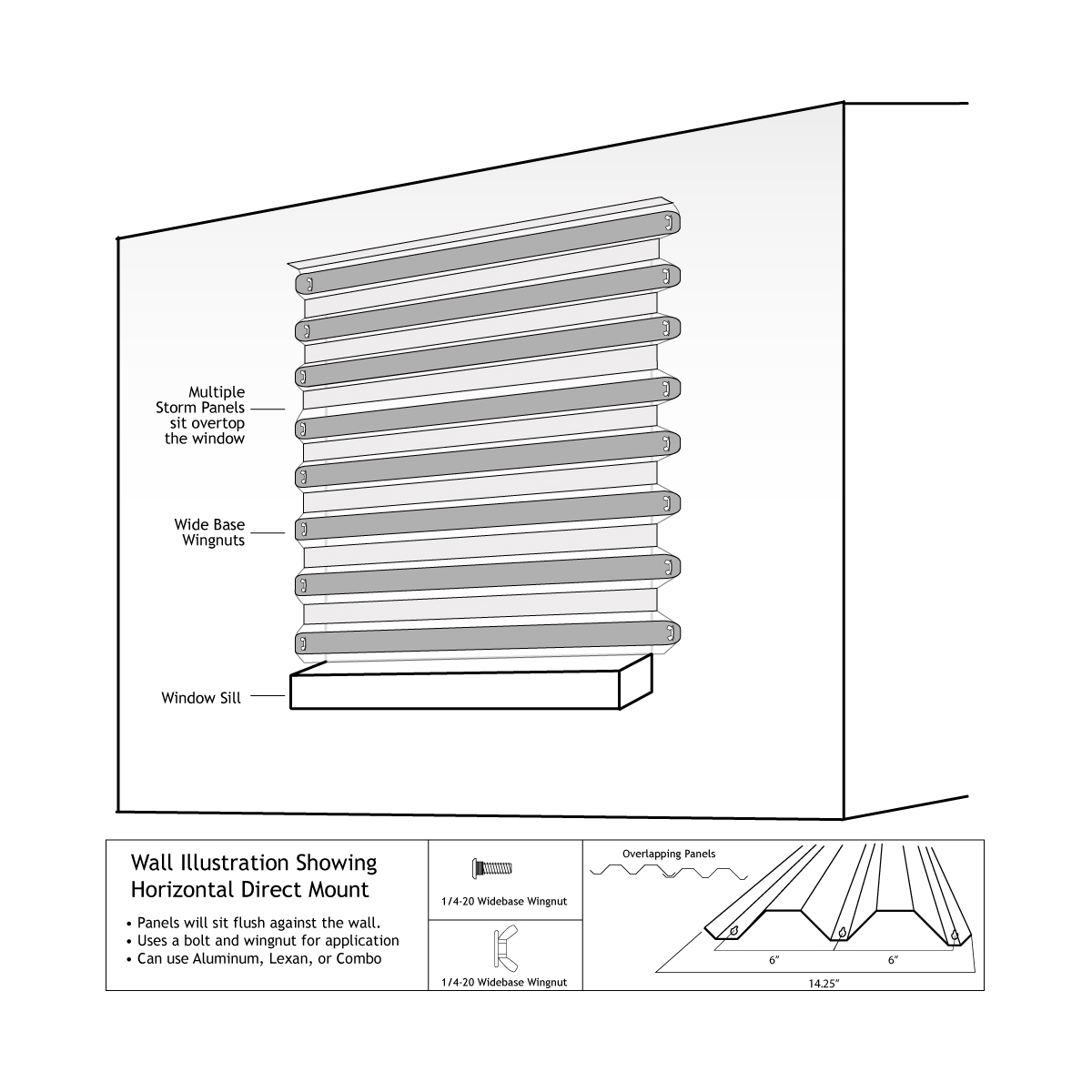
|
Disclaimer:
Hurricane shutters are designed to enhance the safety of your home during these disasters, but no product can guarantee your safety. You should follow all law enforcement directives regarding evacuation.
These storm panels and the recommended installation comply with many municipal codes and regulations, but may not meet all requirements. The purchaser is responsible for ensuring that this product and its installation comply with all codes and regulations for storm panels at the installation site. The manufacturer and retailer disclaim any responsibility for determining compliance with applicable codes and/or regulations and make no representations or warranties regarding suitability in this regard. DIY Hurricane Supply.com is happy to email prospective purchasers the specifications of our products, which can be approved by the appropriate governing bodies. Please email us at: info@diyhurricanesupply.com.