How DIY Hurricane Shutters Can Save You Money
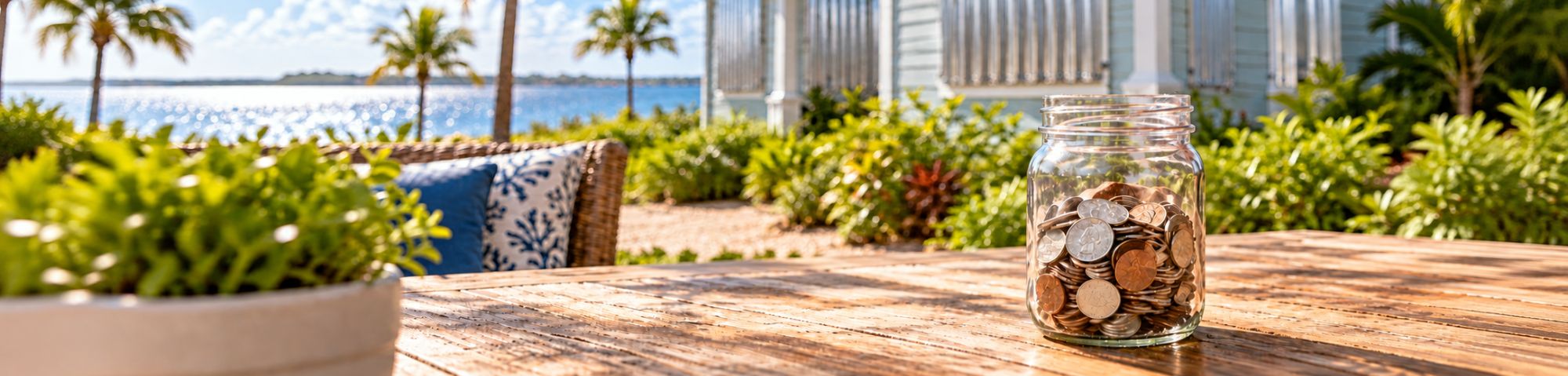
Protecting your home before a hurricane can feel expensive, especially when you have several windows and doors to cover. Hurricane shutters, installation labor, and future storm preparations can all add to the cost. Doing the work yourself gives you more control over what you buy and eliminates the cost of hiring someone to install the panels. It can also be rewarding to know how your home's protection fits together and how to put it back up when the next storm approaches. Planning for both the first installation and later uses helps you think about the full cost of the project, not just the initial order.
Buy Panels Sized for your Home

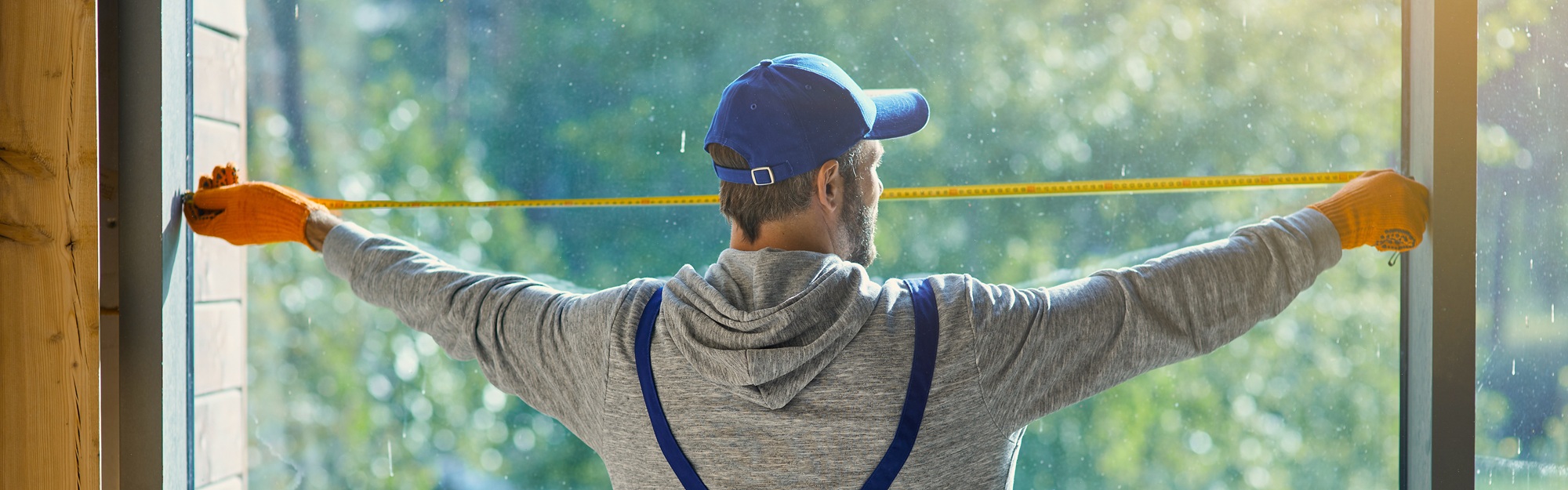
One way to control costs is to order for the openings you actually have. DIY Hurricane Supply lets you enter the measurements of your windows and doors, then uses those measurements to determine the appropriate panels and overlap for your chosen installation. That means you can shop for your home's needs without guessing at panel sizes or buying extra material based on a rough estimate. Its customized ordering process is designed to reduce waste while helping you cover the openings you want to protect. If your openings differ in size, recording each one separately gives you a clearer picture of what your order requires.
Start by measuring each opening and recording its width and height. The measuring worksheet can help you keep the openings organized, and you can enter the measurements on the Buy Shutters page. You can choose panels for doors as well as windows, so your order can reflect the layout of your home. Keep a copy of the measurements with your shutter information so you can match the finished panels to the openings later. Taking time to organize the order at this stage can also make the installation and future storm preparations easier to follow.
Skip Professional Installation Costs
Installing your own shutters removes a separate labor expense from the project. DIY Hurricane Supply provides installation videos and guides to walk you through the process, along with tech support daily from 9 a.m. to 9 p.m. Eastern and 24/7 by appointment. With the right tools, careful measurements, and the instructions for your chosen mounting method, you can take on the installation yourself. Review the guidance before starting so you understand the order of the steps and the materials your chosen method calls for. You can then set aside time for the installation instead of adding a professional installation charge to your budget.
If you choose a track installation, the tracks can remain attached to the home after you remove the panels. When storm season comes around again, you can match the panels to their openings and reattach them using the installed tracks. Numbering the panels to correspond with your openings can make that seasonal job easier. Keep the numbering with your measurement record so you have a reference when the panels are in storage. This preparation can reduce the time spent sorting through panels when you need to put them up again.
Use the Panels Season After Season
Hurricane panels are a purchase you can use repeatedly. After a storm, remove the panels, keep their hardware together, and store the pieces for the next time you need them. If the panels are properly built, stored, and maintained, using them through multiple storm seasons spreads the initial purchase cost over years of use. A place for the panels and their hardware makes it easier to find the full set when another storm approaches. Reusing the same setup can also make the work more familiar each time you prepare your home.
Leaving the tracks in place also means you do not have to start the mounting process from scratch each season. You still need to inspect your panels and hardware and follow the installation guidance each time you put them up, but a reusable setup can make future preparations more manageable. Check that you can identify which panel belongs to each opening before the next storm is near. If a label has become hard to read, update it while the panels are stored so the matching process remains straightforward.
Choose the Materials that Suit Each Opening
You do not have to use the same panel material everywhere. DIY Hurricane Supply offers aluminum, clear Lexan polycarbonate, and combination aluminum and Lexan panels. Aluminum provides a lightweight, corrosion-resistant option; clear Lexan lets natural light into covered rooms during an outage; and combination panels let you include light-transmitting sections where you want them. Choosing the configuration that fits each opening can help you spend on the features that matter to you. Consider where daylight would be most useful and where an aluminum panel meets your preferences before deciding what to order for each opening.
DIY Hurricane Supply ships directly from the manufacturer, which helps keep its prices low. Pairing a tailored order with your own installation and reuse over future seasons gives you several ways to control the total cost while preparing your home. The amount you save will depend on your openings, material choices, mounting method, and the work you take on yourself. Thinking through those decisions before you order can help you prioritize the options that are most useful for your home.
Save with a Plan you can Use Again
DIY hurricane shutters can be a practical way to prepare without paying for more material or installation labor than you need. Measure carefully, select panels and mounting methods for your home, and use the available guides as you install them. Once the system is in place, store and maintain the panels so they are ready to use again. Keeping your measurements and panel labels together can make the next installation easier to organize. The result is a more affordable preparation plan and the peace of mind that comes from knowing how to put it into action.
Hurricane shutters can help protect openings, but no product guarantees safety during a storm. Follow local building requirements and official evacuation instructions. Check the requirements that apply to your home before choosing and installing a shutter system. When a storm threatens, follow directions from local authorities even if your shutters are already in place.