A Homeowner's Guide to Affordable Hurricane Protection
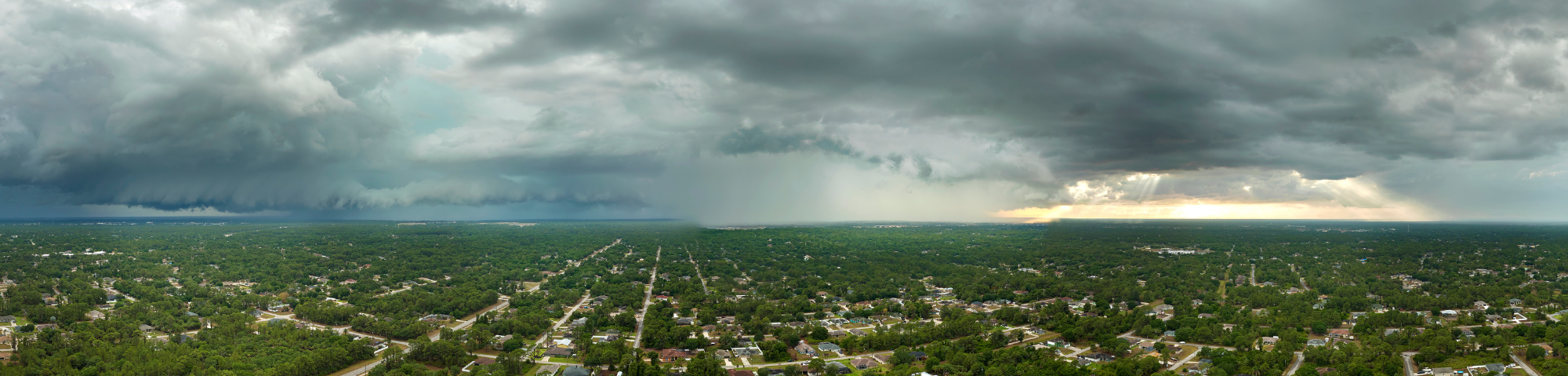
Living in a hurricane-prone area means preparing your home for high winds, wind-driven debris, and severe weather. For many homeowners, however, hurricane protection can seem like a major expense, especially when a home has numerous windows and doors to cover. Fortunately, protecting your home does not necessarily require expensive permanent shutters or replacing every window with impact-resistant glass. With the right materials, accurate measurements, and a practical DIY approach, homeowners can create reliable storm protection while keeping costs under control.
Why Hurricane Protection Matters
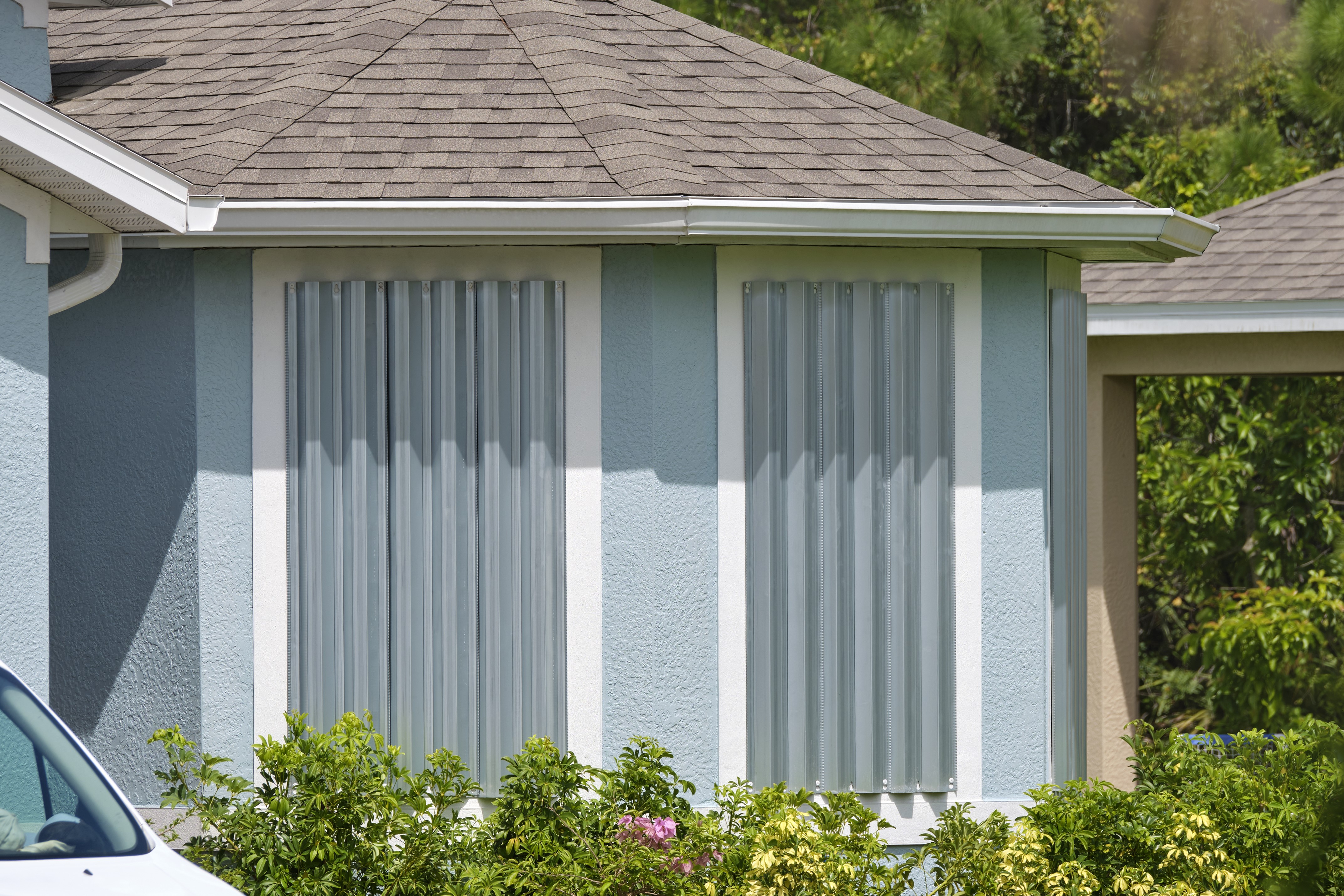
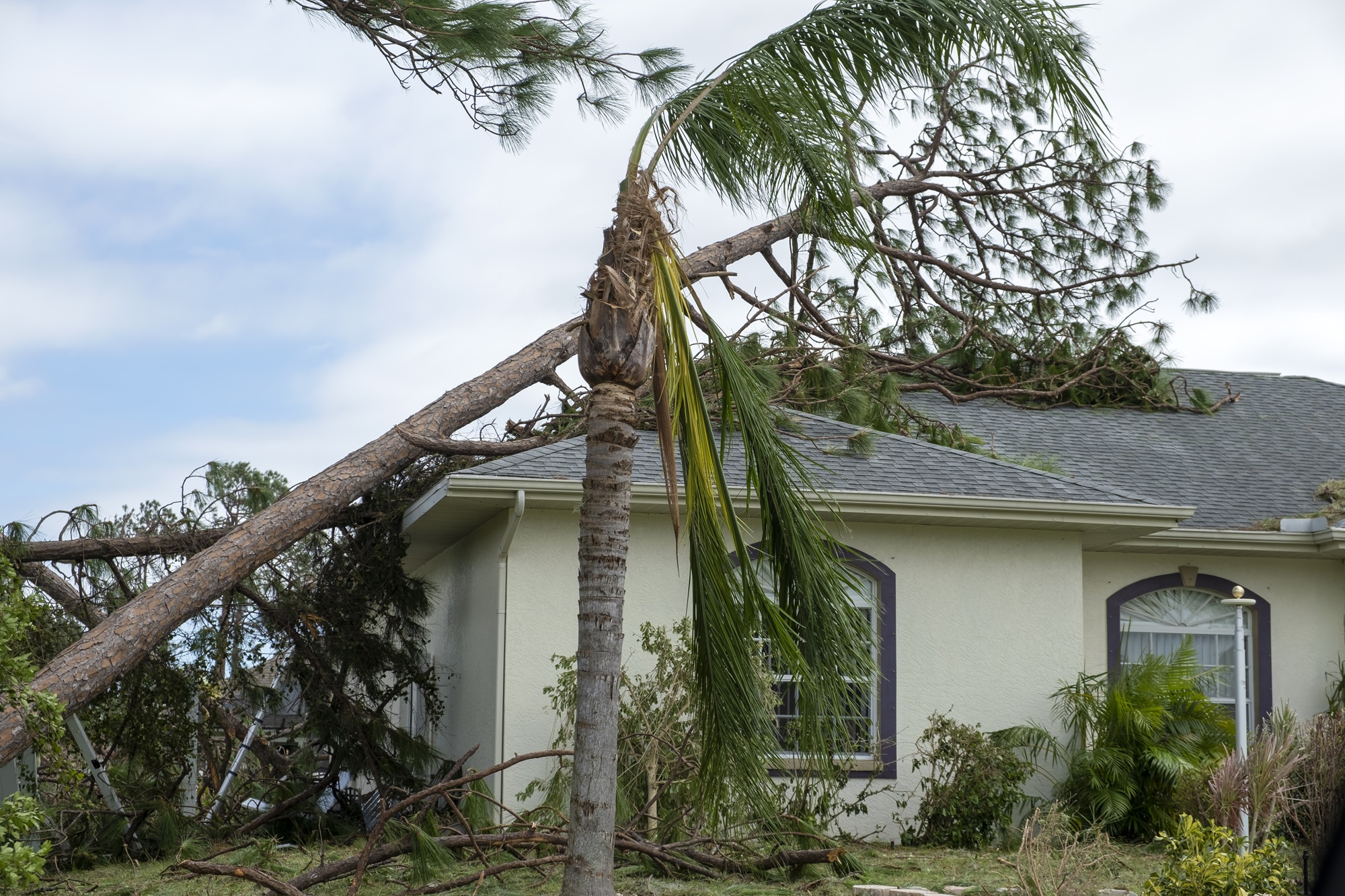
Windows and doors are among the most vulnerable areas of a home during a hurricane. Strong winds can carry branches, outdoor furniture, building materials, and other debris capable of breaking exposed glass. Once an opening is damaged, wind and rain can enter the home, potentially leading to additional interior and structural damage.
A good hurricane protection plan should therefore consider all vulnerable openings rather than focusing only on the largest windows. Entry doors, sliding doors, and smaller windows may also need protection depending on the home's construction and local building requirements. Planning ahead gives homeowners time to find an affordable solution instead of making rushed decisions when a storm is already approaching.
Start With Accurate Measurements
One of the easiest ways to overspend on hurricane protection is to purchase materials before determining exactly what your home needs. Carefully measuring each opening allows you to order panels based on the actual dimensions of your windows and doors. Custom sizing can reduce unnecessary material and eliminate the need to purchase oversized, generic panels that may require additional cutting or modification.
Proper measurements are also important for installation. Hurricane panels typically need to extend beyond the opening to provide the required coverage, and overlapping panel systems need enough material to properly connect adjacent panels. Following the manufacturer's measuring guidelines helps ensure you order the correct amount of material while avoiding unnecessary costs.
Choosing an Affordable Hurricane Panel
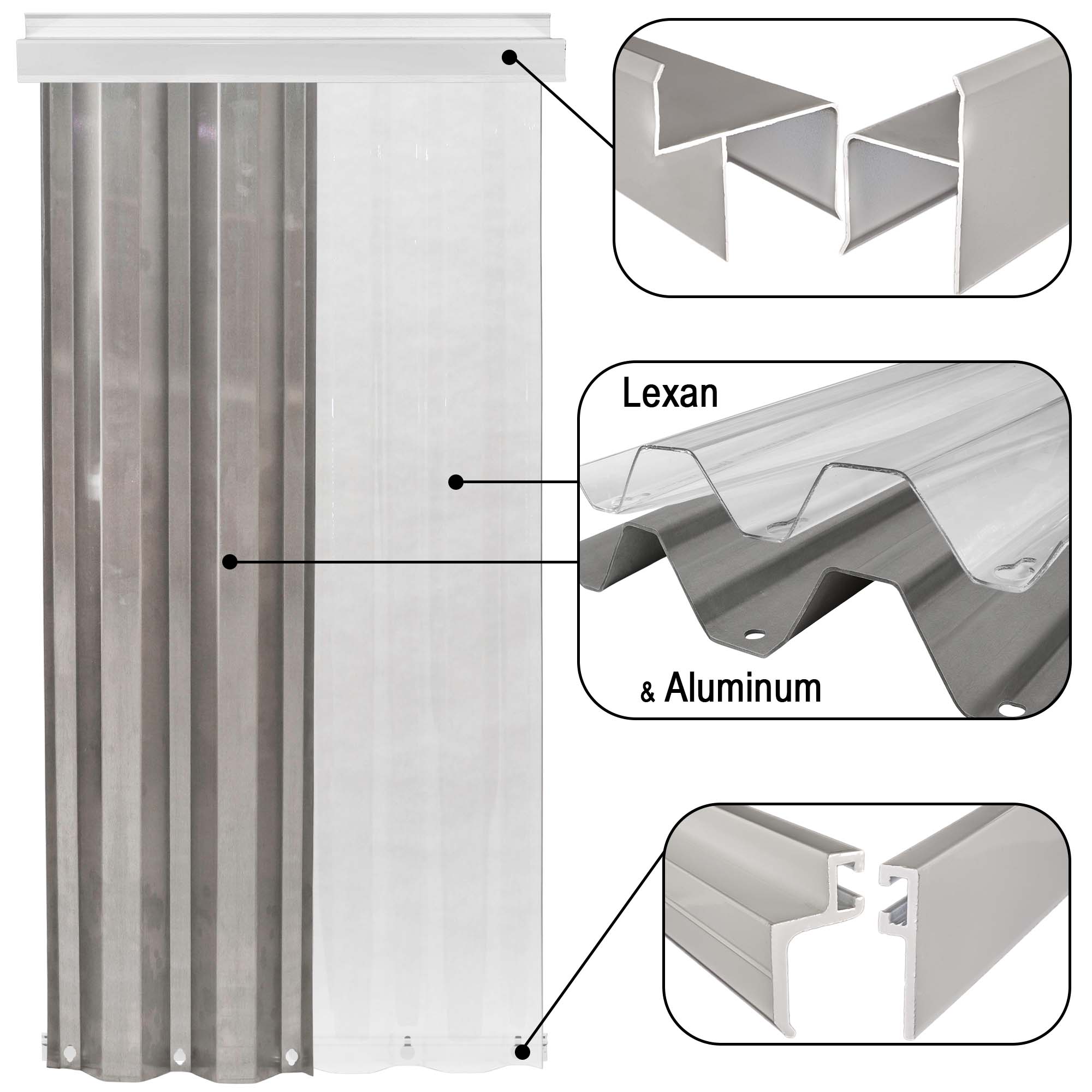
Removable aluminum hurricane panels are a practical option for homeowners looking to keep their initial costs down. DIY Hurricane Supply offers lightweight .050-inch aluminum panels designed to protect windows and doors from hurricane-force winds up to 150 mph. Aluminum is also corrosion-resistant and reusable, allowing homeowners to store their panels after hurricane season and reinstall them when another storm approaches.
For homeowners who want to maintain natural light, clear Lexan/polycarbonate panels provide another option. These transparent panels allow daylight into the home while creating a protective barrier over windows and doors. This can be particularly valuable during extended power outages, when a house completely covered with solid storm panels can become very dark.
Polycarbonate generally costs more than aluminum, so homeowners on a budget do not necessarily need to use it on every window. A combination system can provide a practical middle ground. Aluminum can be used for most openings, while clear polycarbonate panels can be installed in important living spaces where daylight and exterior visibility are most beneficial.
Save With a DIY Installation
Installation costs can add significantly to the total price of hurricane protection, especially for homes with many windows and doors. Homeowners who are comfortable with basic home-improvement projects may be able to reduce those costs by choosing a hurricane panel system designed for DIY installation. DIY Hurricane Supply offers custom panels along with tracks, fasteners, headers, and other hardware needed to create a removable storm protection system.
Depending on the application, panels may be installed using a vertical track system or horizontally with direct-mount fasteners. Once the permanent mounting hardware is correctly installed, future storm preparation becomes much easier. Homeowners can retrieve their labeled panels, secure them over the appropriate openings, and remove them once the threat has passed.
DIY Hurricane Supply also provides installation instructions, videos, tutorials, and technical support for homeowners completing their own projects. However, installation requirements can vary based on the panel system, mounting surface, building construction, and local codes, so homeowners should always follow the instructions provided for their specific system.
Think Beyond the Initial Price
Affordable hurricane protection is not simply about choosing the product with the lowest upfront price. A reusable system can provide better long-term value because the same panels can be used season after season. Properly storing and labeling each panel also makes future hurricane preparation faster and reduces the likelihood of needing replacement materials.
Preparing early can save money as well. Waiting until a hurricane is approaching can limit product availability and leave little time to measure, order, and install a custom system. Ordering ahead of hurricane season gives homeowners time to install mounting hardware, organize panels, and make sure everything fits correctly before severe weather threatens the area.
It is also important to verify local building requirements before purchasing hurricane protection. Building codes and product approval requirements can vary by location, particularly in hurricane-prone regions. Homeowners should confirm that the materials and installation method they choose are appropriate for their property and meet any applicable local requirements.
Affordable Protection Starts With Smart Planning
Protecting a home from hurricanes does not have to mean investing in the most expensive shutter system available. Homeowners can control costs by measuring carefully, ordering panels sized for their actual openings, using affordable aluminum where appropriate, adding clear polycarbonate where natural light is important, and handling installation themselves when they are comfortable doing so.
Most importantly, hurricane protection should be planned before a storm is on the way. A properly sized, reusable panel system can be purchased once, organized for each opening, stored between storms, and installed again whenever it is needed. By planning ahead and choosing materials based on the actual needs of the home, homeowners can create an affordable hurricane protection system without sacrificing practicality or preparedness.