Which States Are Most Affected by Hurricanes?

Every year, hurricane season brings the potential for powerful storms along the Atlantic and Gulf coasts. While hurricanes can affect many areas across the United States, certain states experience a much greater risk because of their location, coastline, and exposure to warm ocean waters. Understanding why these states are more vulnerable can help homeowners better prepare before a storm develops.
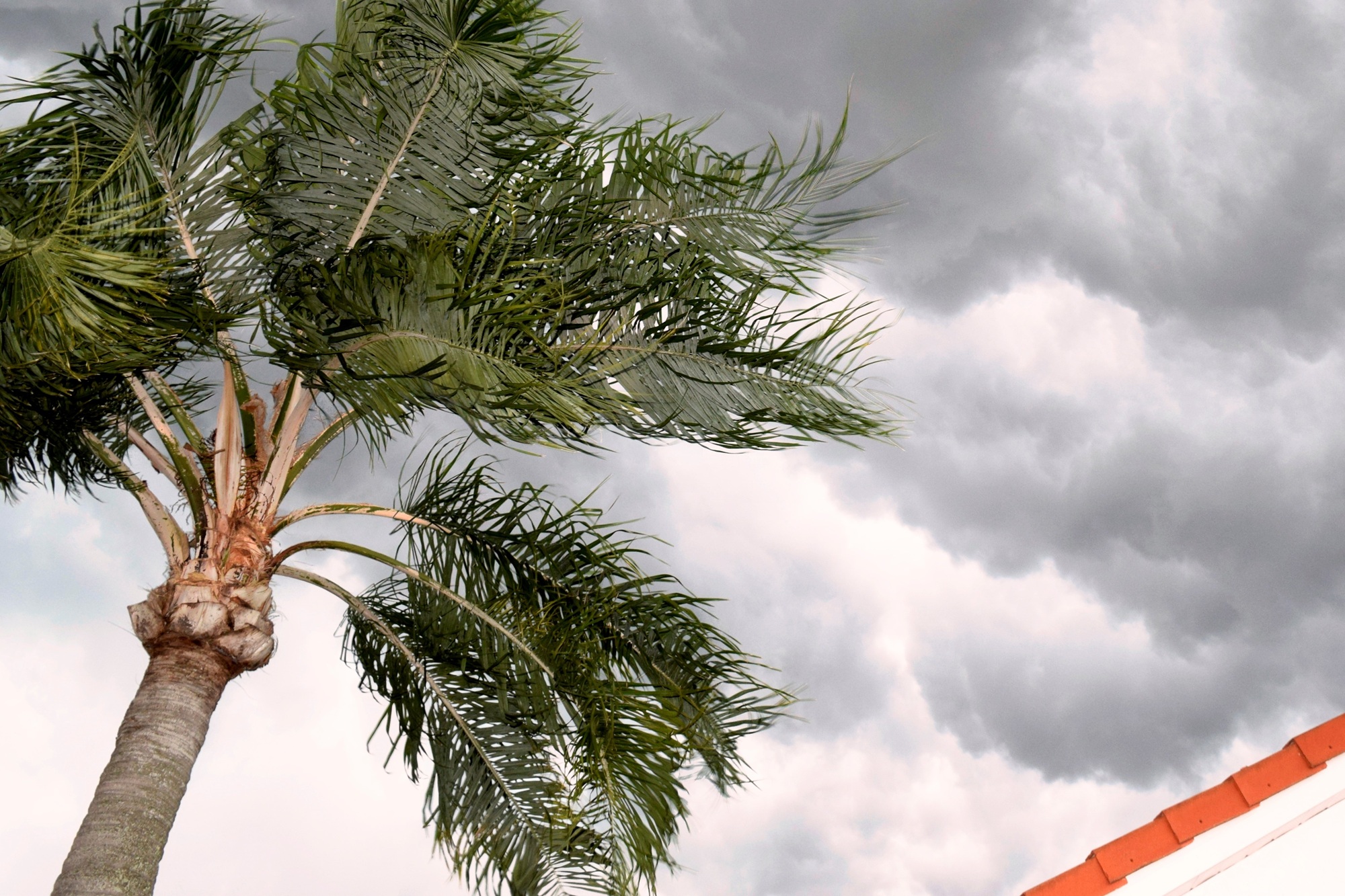
1. Florida - The Most Hurricane-Prone State
Florida experiences more hurricane impacts than any other U.S. state. Surrounded by the Atlantic Ocean and the Gulf of Mexico, Florida is exposed to storms approaching from multiple directions. Warm tropical waters surrounding the state provide the energy hurricanes need to form and strengthen.
Florida’s long coastline and large population of coastal communities make it especially vulnerable to high winds, storm surge, and flooding. Because of its frequent hurricane activity, preparation and storm protection are essential for many homeowners.
Why Florida is at high risk:
- Surrounded by warm ocean waters on three sides
- One of the longest hurricane-exposed coastlines in the country
- Frequent direct impacts from Atlantic and Gulf storms
2. Texas - Long Gulf Coast and Flooding Concerns
Texas has one of the longest Gulf Coast shorelines in the United States, making it highly exposed to hurricanes that develop in the Gulf of Mexico. Storms can quickly strengthen over warm Gulf waters before reaching coastal communities.
While strong winds can cause major damage, flooding from heavy rainfall and storm surge is often one of the biggest concerns for Texas residents, especially in low-lying coastal areas.
Why Texas is at high risk:
- Extensive Gulf Coast exposure
- Warm Gulf waters allow storms to strengthen
- Large coastal areas are vulnerable to flooding
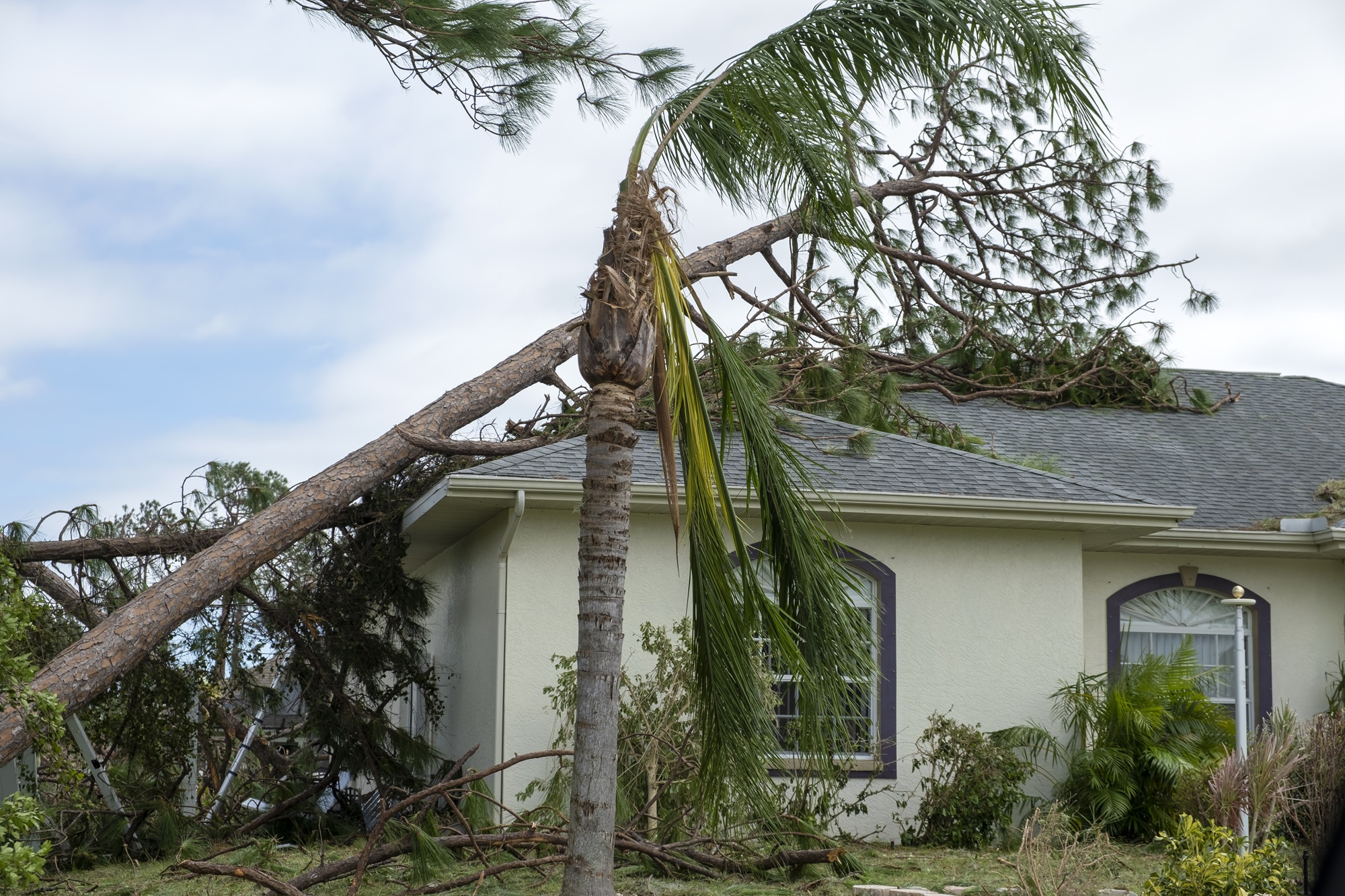
3. Louisiana - One of the Most Vulnerable Coastal States
Louisiana faces a unique hurricane threat because much of its coastline is low-lying and surrounded by wetlands, bays, and waterways. These conditions can increase the effects of storm surge and flooding when hurricanes approach.
Communities throughout southern Louisiana have experienced significant hurricane damage due to a combination of high winds, rising water, and coastal vulnerability.
Why Louisiana is at high risk:
- Low-elevation coastal areas
- High potential for storm surge
- Extensive waterways that can worsen flooding
4. North Carolina - A Direct Path for Atlantic Storms
North Carolina’s coastline, especially the Outer Banks, extends into the Atlantic and places the state directly in the path of many hurricanes. Its unique coastal shape makes it vulnerable to both direct landfalls and storms that track nearby.
In addition to wind damage, North Carolina often experiences dangerous coastal flooding and heavy rainfall from tropical systems.
Why North Carolina is at high risk:
- Outer Banks extend into common hurricane paths
- Long Atlantic coastline
- Increased risk of flooding and storm surge
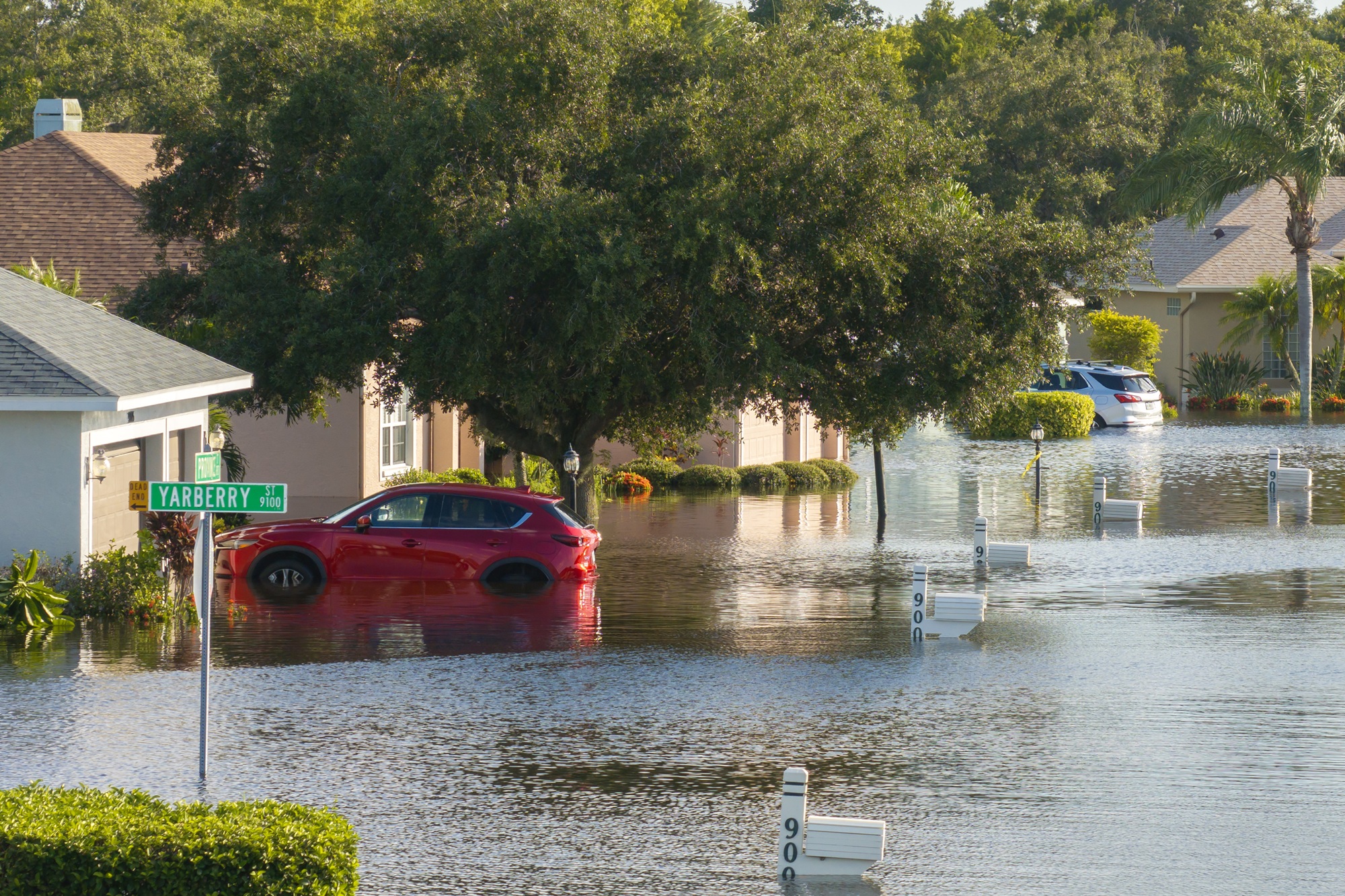
5. South Carolina - Frequent Coastal Hurricane Impacts
South Carolina regularly experiences hurricanes and tropical storms because of its location along the southeastern Atlantic coast. Coastal communities are especially vulnerable to wind damage, storm surge, and flooding.
Even when storms do not make a direct landfall, nearby hurricanes can still bring damaging conditions throughout the state.
Why South Carolina is at high risk:
- Exposure to Atlantic storms
- Low-lying coastal regions
- Frequent tropical storm activity
6. Alabama - Small Coastline, Big Hurricane Risk
Although Alabama has a shorter coastline than many other hurricane-prone states, its location along the Gulf Coast puts it at risk. Hurricanes approaching from the Gulf of Mexico can bring powerful winds, heavy rainfall, and dangerous storm surge.
Storm impacts can extend far inland, affecting communities well beyond the immediate coastline.
Why Alabama is at high risk:
- Located along the central Gulf Coast
- Vulnerable to Gulf storm systems
- Heavy rainfall and flooding can extend inland
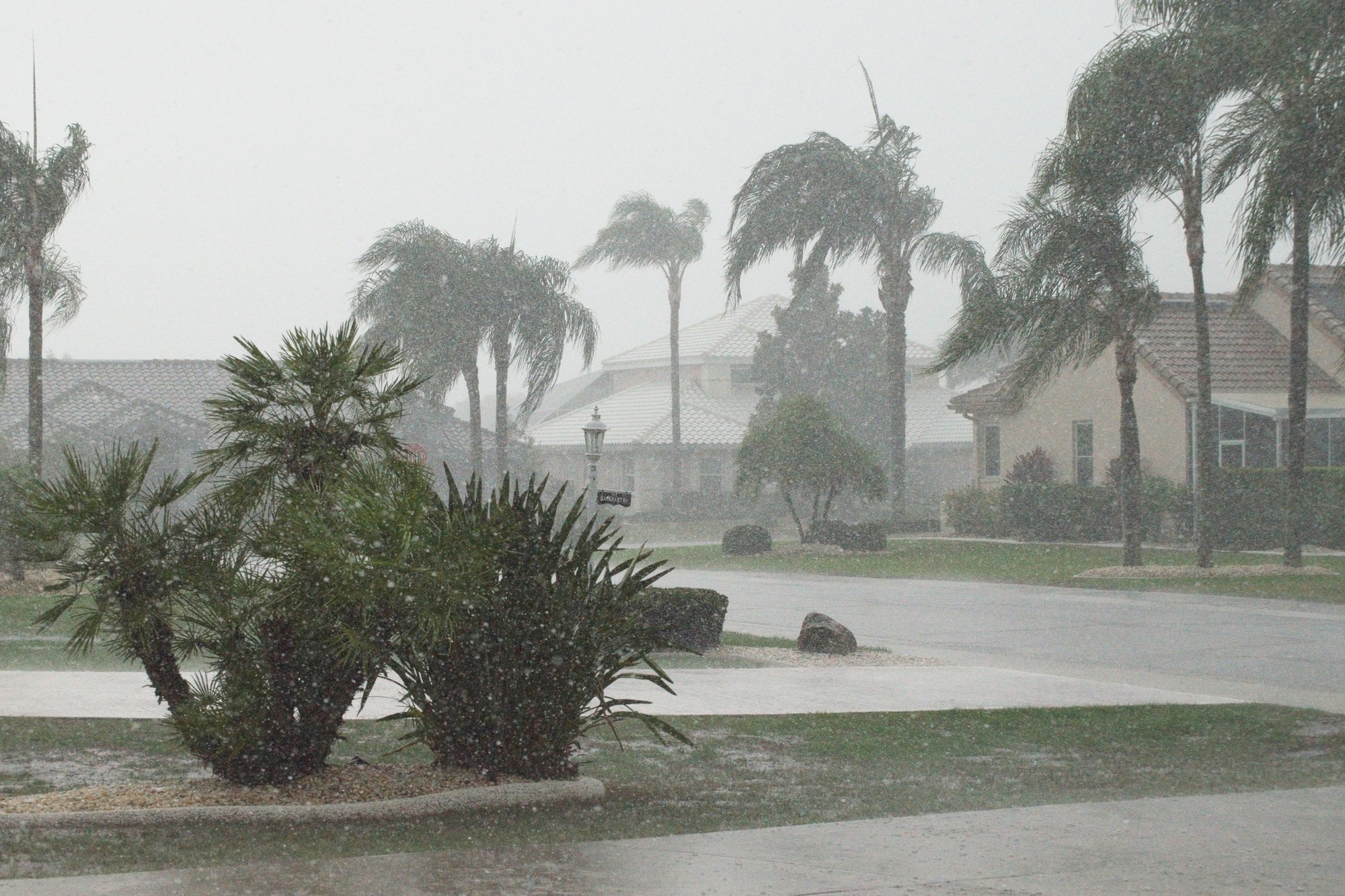
7. Mississippi - Gulf Coast Storm Threats
Mississippi’s Gulf Coast may be smaller compared to neighboring states, but it remains highly vulnerable to hurricanes traveling across the Gulf of Mexico. Shallow coastal waters can contribute to stronger storm surge impacts.
Hurricanes affecting Mississippi can bring a combination of strong winds, flooding, storm surge, and coastal damage, impacting homes, businesses, and communities throughout the state.
Why Mississippi is at high risk:
- Exposure to Gulf hurricanes
- Coastal geography increases flooding risks
- Storm surge can impact coastal communities
Why Are These States More Vulnerable to Hurricanes?
Several factors make these states more likely to experience hurricane damage:
- Warm ocean waters provide the energy hurricanes need to develop and strengthen.
- Long coastlines increase the chances of storms making direct impacts.
- Low elevations make many coastal areas more vulnerable to storm surge and flooding.
- Geographic location places Gulf and Atlantic coastal states in common hurricane paths.
Protect Your Home Before Hurricane Season
Preparing your home before hurricane season can help reduce potential damage and give your family greater peace of mind. One of the most effective ways to protect windows, doors, and other vulnerable openings is with hurricane protection products designed to withstand severe weather conditions.
DIY hurricane panels are one of the best choices for homeowners looking for reliable storm protection that is affordable, easy to install, and ready when a storm approaches. At DIYHurricanePanels.com, homeowners can find durable hurricane panels designed to help defend their homes against high winds, flying debris, and severe weather conditions. With a practical DIY approach, these panels provide a convenient solution for preparing your property before the next hurricane arrives.