Aluminum vs. Lexan Hurricane Panels: Which DIY Option Is Best?
When preparing a home for hurricane conditions, window and door protection is one of the most important steps you can take. DIY hurricane panels have become a popular choice because they offer strong impact resistance without the cost of permanent impact-rated windows. Among the most widely used options are aluminum panels and Lexan (polycarbonate) panels. Both are engineered for serious storm protection, but they perform differently in terms of cost, visibility, and everyday usability.
This guide breaks down the key differences so you can decide which option makes the most sense for your home.
Aluminum Hurricane Panels
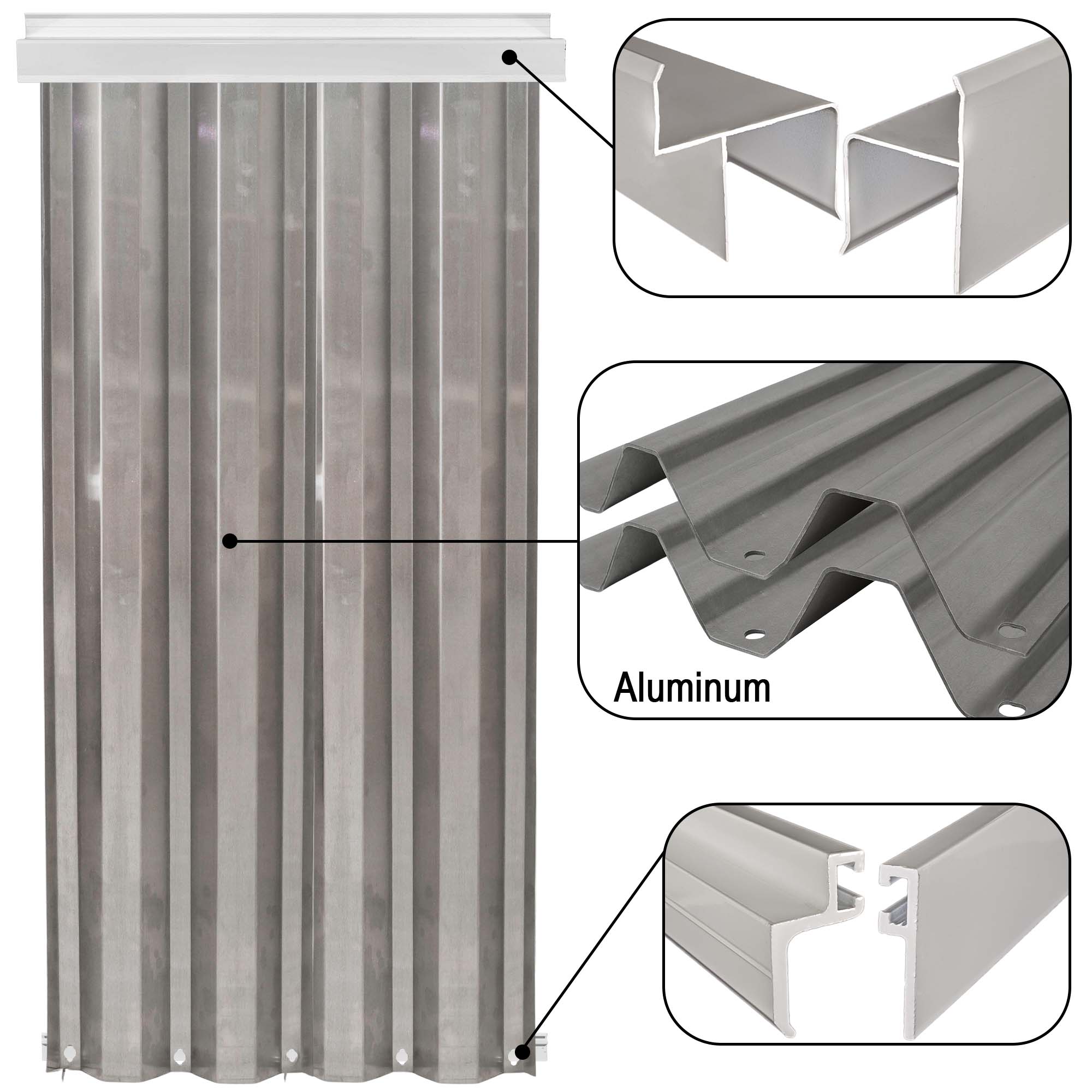
Our All Aluminum Shutter Panels (.050") are built to withstand winds up to 150 mph and are made from aerospace-grade aluminum designed for strength and long-term durability. Aluminum has been used in storm protection systems for decades because it offers a reliable balance of performance and affordability.
At $4.65 per square foot, aluminum panels are typically the most budget-friendly hurricane protection option. This makes them especially appealing for homeowners who need to cover many openings or want a cost-effective solution without sacrificing wind resistance.
One of the main advantages of aluminum is its toughness and simplicity. The panels are lightweight enough for DIY installation but strong enough to handle repeated storm use. However, because they are solid metal, they completely block natural light. During a storm-related power outage, this can make interior spaces noticeably darker compared to transparent systems.
Storage is relatively simple, as panels can be stacked flat and stored in a garage or utility space until needed.
Lexan (Polycarbonate) Hurricane Panels
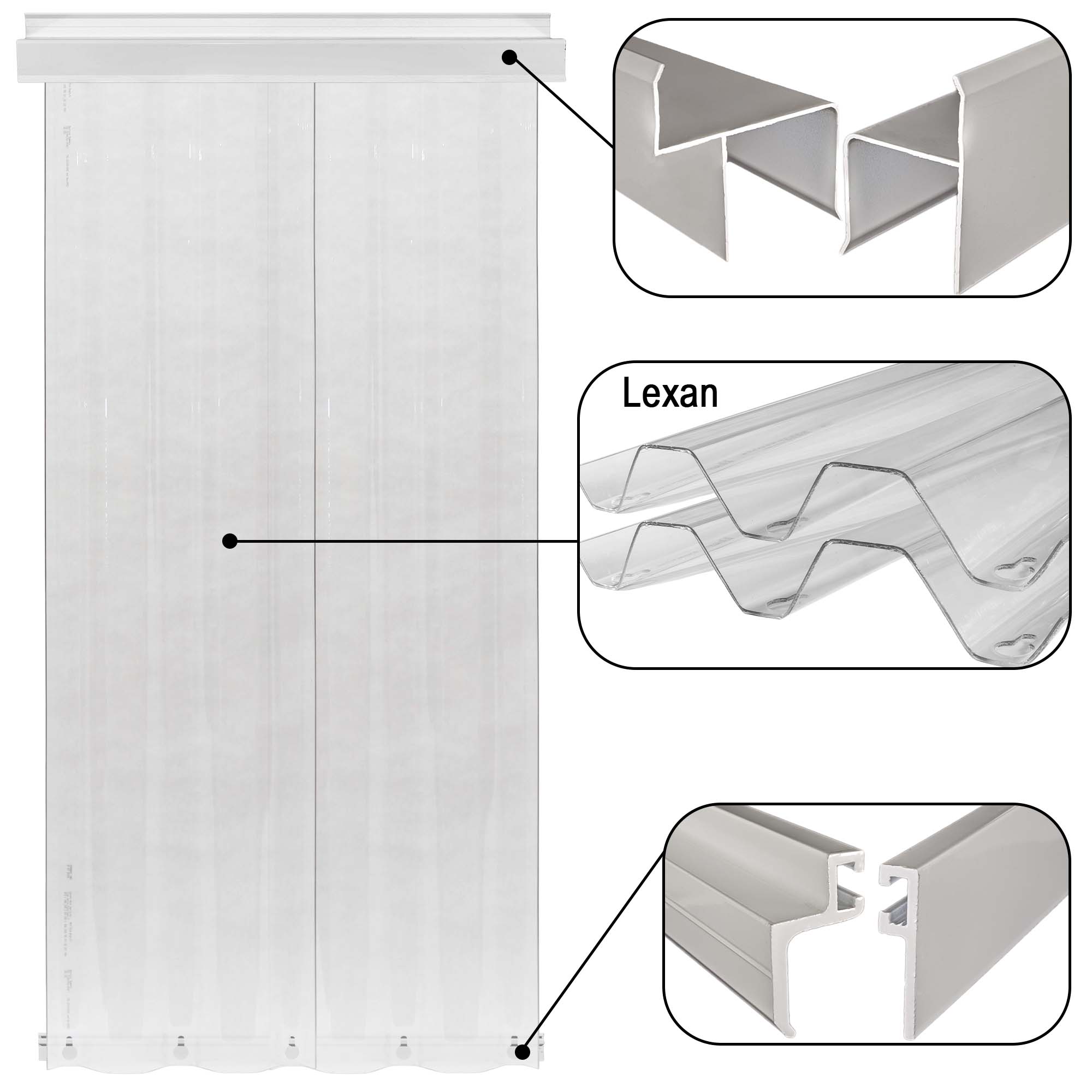
Our clear Polycarbonate/Lexan Shutter Panels also protect against winds up to 150 mph and meet strict Florida building code standards for impact resistance. Lexan is a high-strength transparent material that is widely used in safety glazing applications because it combines clarity with extreme durability.
Priced at $7.94 per square foot, Lexan panels cost more than aluminum, but they offer a major functional advantage: they allow natural light to enter the home during a storm. This can make a significant difference during extended outages, helping maintain visibility, comfort, and a sense of normalcy indoors.
Lexan is also extremely impact-resistant and designed to absorb debris strikes without shattering like traditional glass. While it is slightly more expensive, many homeowners value the added safety of being able to see outside conditions during a storm event.
Like aluminum, Lexan panels are designed for seasonal installation and can be removed and stored flat when not in use.
Combination Aluminum and Lexan System
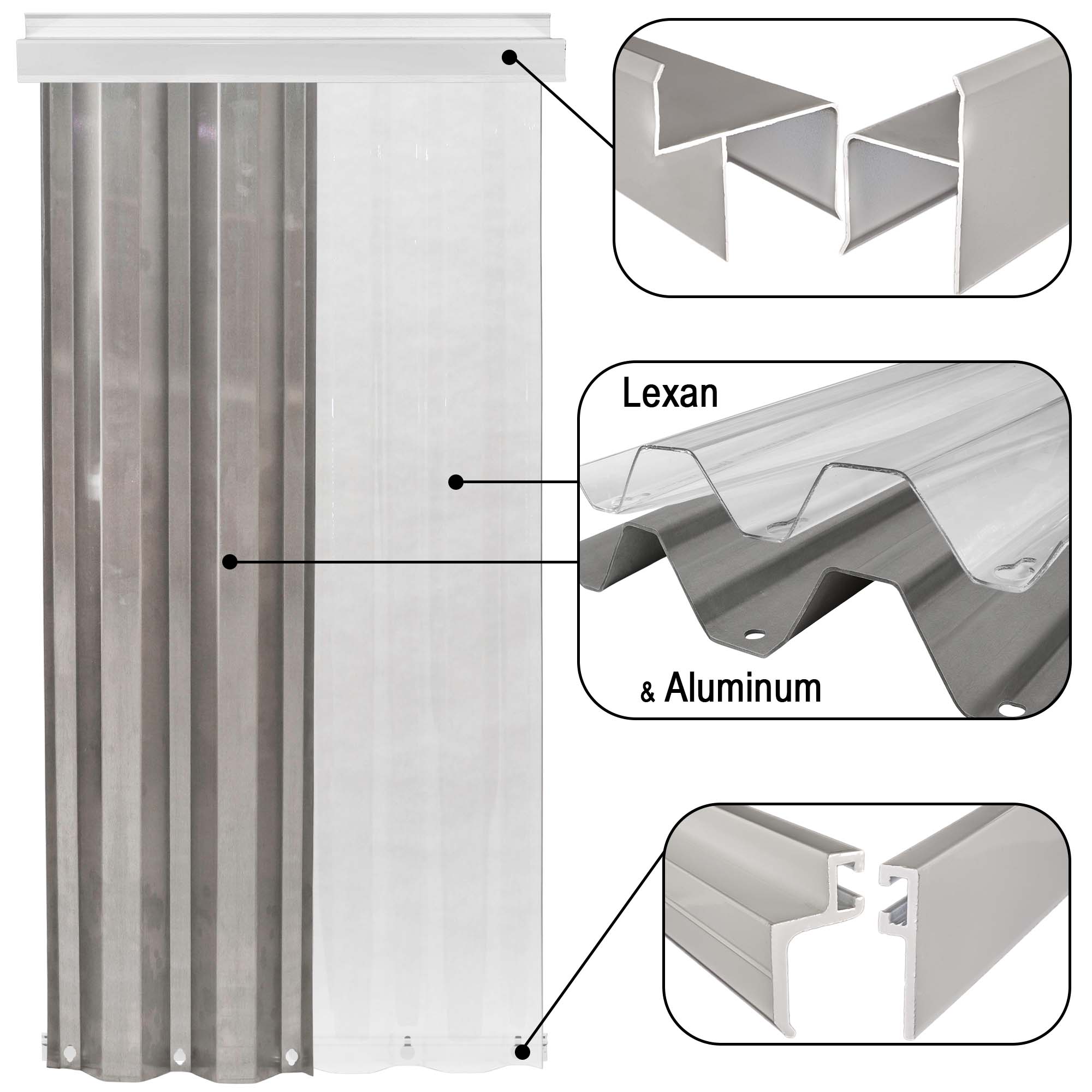
A growing number of homeowners are choosing a combination approach that uses both aluminum and Lexan panels in different areas of the home. This system is designed to balance cost, visibility, and practicality.
Combination systems protect against winds up to 150 mph and typically range from $8.10 to $10.35 per square foot depending on configuration. The idea is simple: use Lexan where natural light matters most, such as living rooms, kitchens, or entryways, and use aluminum panels in areas where visibility is less important, such as garages, storage areas, or side windows.
This approach often ends up being the most efficient overall solution. It reduces the total cost compared to outfitting an entire home in Lexan while still preserving light in key living spaces. It also allows homeowners to prioritize comfort without compromising structural protection.
Cost, Durability, and Installation Comparison
When comparing aluminum and Lexan, cost is usually the first major difference homeowners notice. Aluminum remains the most affordable option and is ideal for large-scale coverage. Lexan costs more due to its clarity and impact-resistant properties, while combination systems naturally fall in between depending on how much clear material is used.
In terms of durability, both systems are engineered to withstand winds up to 150 mph and are designed for repeated seasonal use. Aluminum offers excellent long-term structural reliability, while Lexan provides superior impact visibility and debris resistance without sacrificing strength.
Installation difficulty is relatively similar for both systems. Each is designed for DIY use, meaning homeowners can install and remove panels seasonally. Aluminum is often considered slightly easier to handle simply because it is less expensive and more forgiving during setup, while Lexan requires a bit more care due to its transparent finish and higher material cost.
Both systems store efficiently since panels are removable and stack flat, making them practical for garages, sheds, or storage rooms.
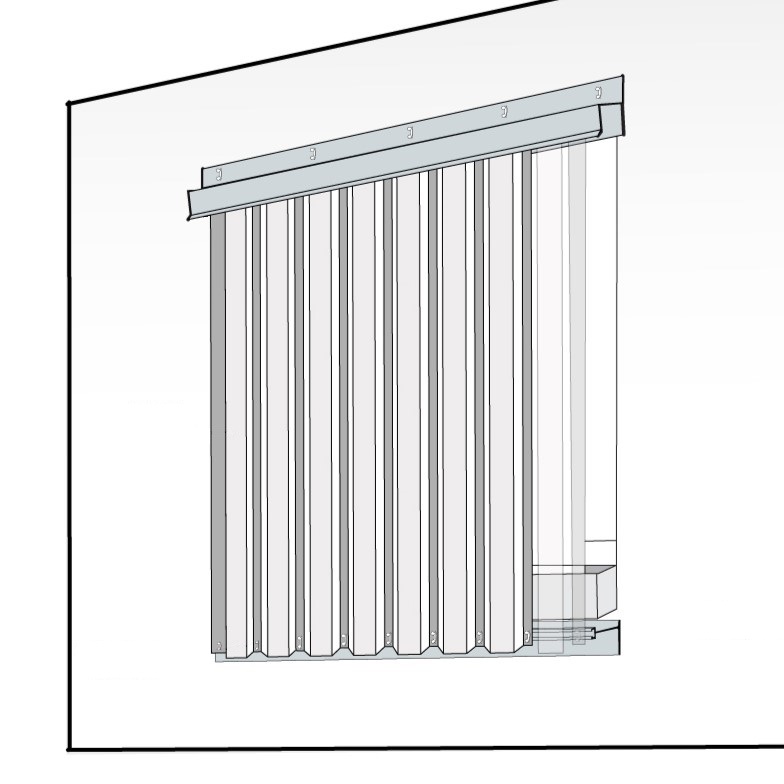
Shutter Styles
Vertical Door and Window Mount
This system uses tracks installed above and below each opening, allowing panels to slide or lock into place quickly when a storm is approaching. Because the structure remains mounted year-round, installation during storm preparation becomes significantly faster.
The cost is $3.50 per linear foot. One of the biggest advantages of this system is speed. Once installed, panels can typically be reinstalled in about 3 to 5 minutes per opening, making it one of the most convenient options for homeowners who want a fast storm-ready setup.
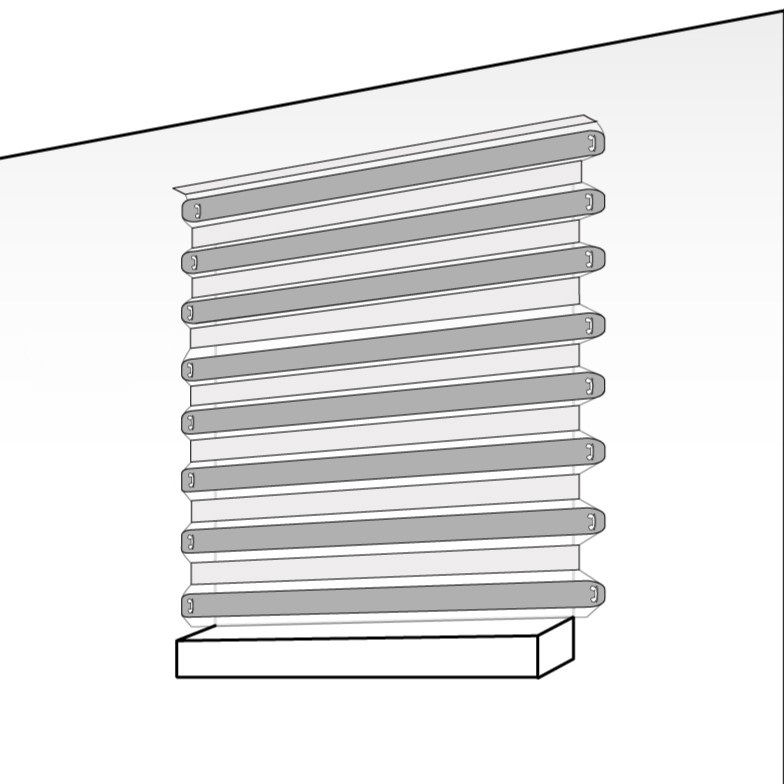
Horizontal Window Mount
The horizontal mounting system attaches directly to the structure of the home using permanent anchors. Screws typically remain in place, so homeowners are not reinstalling hardware each season, only the panels themselves.
This system is more cost-effective at $1.50 per linear foot and is often chosen by homeowners who want a simpler and lower-cost installation approach. While installation takes slightly longer than vertical tracks, around 10 minutes per window, it remains a very practical and durable solution for long-term hurricane protection.
Still Undecided? Just Do Both.
If you’re unsure whether aluminum or Lexan is the right choice, you don’t necessarily have to choose one over the other. A combination system is often the most practical solution because it allows you to tailor protection based on each part of your home.
For example, Lexan panels can be installed in areas where natural light and visibility are important, such as main living spaces or entry doors. Aluminum panels can then be used in areas where cost efficiency matters more, such as garages or less frequently used windows.
This hybrid approach provides a balanced solution that reduces overall cost while still maintaining the benefits of both materials. It’s a flexible strategy that works especially well for larger homes or homeowners looking for a practical mix of comfort and affordability.
Final Thoughts
Both aluminum and Lexan hurricane panels offer strong, code-compliant protection against hurricane-force winds. The decision ultimately comes down to what matters most for your home, cost savings, natural light, or a balance of both.
Aluminum remains the best choice for budget-focused protection and wide coverage. Lexan is ideal for homeowners who want visibility and natural light during storms. A combination system brings both advantages together in a single, flexible solution.
No matter which option you choose, installing hurricane panels is one of the most effective ways to protect your home during severe weather events.